 Vetsys Pharmaceutical
Vetsys Pharmaceutical
Vetsys Pharmaceutical
Newborn piglets can lose condition quickly when they are chilled, weak, or unable to nurse. Oral solutions may support hydration, but delivery matters: the wrong volume, temperature, or technique can cause stress or aspiration. So, what is the best way to administer oral solutions to piglets? The practical answer starts with observing the animal, choosing a suitable product, and following veterinary guidance—not simply giving more fluid.
Industry guidance supports careful, individual assessment. The USDA’s National Animal Health Monitoring System (NAHMS) Swine 2012 study examines U.S. swine health and management, including preweaning mortality and related practices. AHDB’s pig-health resources also emphasize prompt recognition of sick piglets and good husbandry. These sources do not establish one universal oral-solution protocol for every piglet; age, clinical signs, and the product’s instructions matter. That distinction is important.
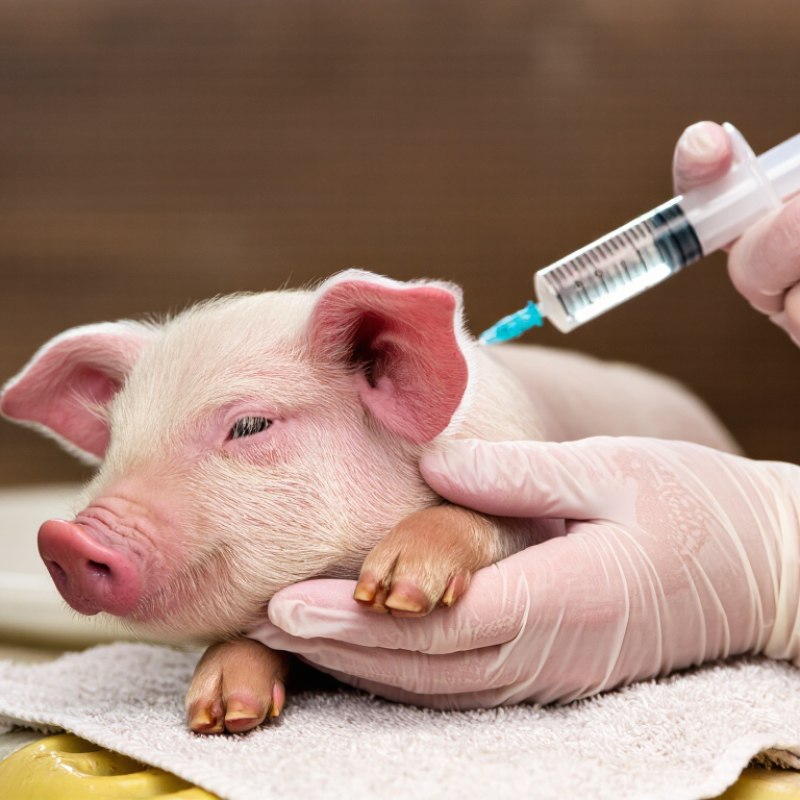
Keep the piglet warm and calm. Use clean equipment, measure the prescribed amount, and deliver it slowly so the animal can swallow naturally. Never force fluid into a struggling piglet. If it coughs, becomes more distressed, or cannot swallow, stop and contact a veterinarian. Small details count: a clean syringe, a steady hold, and a dry towel nearby. Yet oral fluids are not a cure for every cause of weakness or dehydration. A useful guide should explain safe administration while making clear when professional examination is needed.
Oral solutions help piglets replace water and electrolytes when diarrhea, heat, or reduced drinking raises dehydration risk. They do not treat the cause of illness. The Merck Veterinary Manual notes that fluid therapy must match the animal’s hydration status and ongoing losses; severe weakness or persistent diarrhea needs veterinary assessment, not repeated dosing alone. The National Research Council’s Nutrient Requirements of Swine (2012) also treats water as an essential nutrient, not an optional supplement. A solution should therefore support normal water intake, not replace clean drinking water or colostrum. Check the label’s mixing directions carefully: a cloudy bucket, a salty smell, or crystals left on the bottom can signal poor preparation.
Tips: Use a clean, shallow drinker that a small piglet can reach. Offer freshly mixed solution in small amounts, and watch whether the piglet actually drinks. Record the time and dose. Never force liquid into a piglet’s mouth; aspiration is a real risk. If several piglets become dull, have sunken eyes, or stop suckling, contact a veterinarian promptly. The details matter. It is easy to assume a quiet piglet is simply tired, and that assumption can cost time. Discard leftover mixed solution according to its label, and clean the vessel before the next use.
| Situation or factor | Suitable approach | Practical guidance | Important caution |
|---|---|---|---|
| Healthy, suckling piglets | Keep piglets nursing from the sow; offer a correctly prepared oral electrolyte solution only when indicated. | Provide fresh solution in a clean, shallow drinker that piglets can reach. Check that they can drink from it and that older animals do not prevent access. | An electrolyte solution does not replace colostrum, sow’s milk, or an appropriate milk replacer. |
| Individual piglet able to suck and swallow | Offer the solution by a clean bottle with a suitable nipple or another familiar drinking method. | Allow the piglet to take the solution voluntarily. Prepare and offer it according to the product label and maintain normal access to nursing. | Do not force liquid into the mouth; swallowing problems increase the risk of fluid entering the airway. |
| Measured individual administration is needed | Use a clean oral dosing syringe only if the piglet is alert and able to swallow normally. | Keep the piglet in a natural upright position. Place the syringe tip at the side of the mouth and give small amounts slowly, allowing time to swallow between amounts. | Never deliver a rapid stream toward the back of the throat. Stop if the piglet coughs, struggles to breathe, or cannot swallow. |
| Group access to solution | Use a clean, accessible drinker when the product label and herd-management plan support group offering. | Check drinker function, cleanliness, solution freshness, and whether each piglet can reach the water source. Monitor intake and the condition of affected animals. | Group delivery does not ensure that every piglet drinks an adequate amount; weak piglets may need individual assessment. |
| Mixing and preparation | Use the exact water volume and preparation directions stated on the solution label. | Use clean equipment and potable water. Mix thoroughly, prepare fresh batches as directed, and discard leftover solution according to label instructions. | Do not guess the concentration or add other products unless a veterinarian or the label specifically directs it. |
| Diarrhea or suspected dehydration | Seek veterinary advice promptly; oral electrolyte solutions may be used as directed for piglets that can drink and swallow safely. | Watch for reduced nursing, weakness, sunken eyes, dry mouth, or worsening diarrhea. Keep affected piglets warm and ensure access to appropriate fluids. | Severely weak, collapsed, persistently vomiting, or unable-to-swallow piglets need urgent veterinary assessment; oral fluids may be unsafe or insufficient. |
| Dose and frequency | Follow the solution label or the veterinarian’s instructions for the specific product and piglet. | Consider the piglet’s age, body weight, health, and ability to drink when following professional directions. Record treatment and observe response. | There is no single dose or schedule appropriate for every oral solution or every piglet. |
| Hygiene and monitoring | Clean and dry bottles, nipples, syringes, and drinkers after use; use separate clean equipment for each treatment when practical. | Recheck treated piglets for nursing, alertness, hydration, and continued diarrhea. Contact a veterinarian if signs worsen or fail to improve. | Dirty equipment or contaminated mixed solution can spread infection and undermine treatment. |
Use clean drinking water at the instructed temperature. Measure powder or liquid accurately. Mix in a clean container until no particles remain. Do not rely on guesswork.
Prepare only the amount needed for the planned treatment period. Label the container with its preparation time. Keep it covered, cool, and away from sunlight, dust, and feed.
Use a clean oral syringe with clear graduations and smooth movement. Inspect the tip for cracks, sharp edges, or blockages. A damaged syringe needs replacement.
Work in a quiet, warm area with a non-slip surface. Support the chest and hindquarters securely. Keep the head level. Do not squeeze the chest or hold the piglet upside down.
Place the syringe tip at the side of the mouth. Give small amounts slowly. Pause after each amount. Watch the piglet swallow.
Stop if the piglet coughs, struggles, shows nasal liquid, or resists unusually. Do not force the solution. Breathing difficulty can worsen quickly.
No. Daily water intake is not a single-dose instruction. Dose according to veterinary guidance and product directions. Age, weight, and condition matter.
Stop repeated oral attempts and contact a veterinarian promptly. A dull, dehydrated, or severely distressed piglet may need different care. Small animals can deteriorate quickly.
Record the piglet identification, dose, and time immediately. Memory is unreliable. Clean the equipment before and after every session. I have rushed this before; it created avoidable confusion.
Administering oral solutions to piglets requires careful preparation, gentle handling, and close observation. First, understand the purpose of the solution and follow the recommended dosage and mixing instructions. Prepare fresh solution in a clean container, and check that the syringe, dosing device, or bottle is properly cleaned and functioning. Before treatment, restrain each piglet calmly and securely without applying excessive pressure, allowing it to breathe and swallow comfortably.
The question “what is the best way to administer oral solutions to piglets” is best answered with a slow, controlled approach. Place the dosing tip at the side of the mouth, deliver small amounts gradually, and pause to allow the piglet to swallow. Avoid forcing liquid directly into the throat, as this may cause choking or aspiration. After dosing, monitor the piglet for coughing, distress, weakness, or difficulty swallowing. Clean and disinfect all equipment after use, dispose of leftover solution appropriately, and record the treatment to support consistent care.
