Vetsys Pharmaceutical
In the feed production industry, ensuring the even distribution of medicated powder is critical. A recent report from the National Animal Feed Coalition highlights that improper mixing can lead to dosage discrepancies. This affects animal health and ultimately impacts productivity. Understanding how to mix medicated powder evenly in large scale feed mixers is essential for manufacturers.
Research indicates that uneven mixing can result in feed that is up to 30% less effective. To avoid this, mixers must be equipped to handle various powder types and densities. Factors such as mixer geometry and mixing time play a crucial role in achieving the desired uniformity. Many practitioners still acknowledge challenges in reaching adequate homogeneity, even with advanced technology.
Practical experience reveals that regular evaluation of mixing processes is necessary. It can help identify potential shortcomings in the technique used. Thus, continuous improvement should be prioritized. Emphasizing the importance of precise mixing is vital for meeting regulatory standards and maintaining the integrity of feed products.
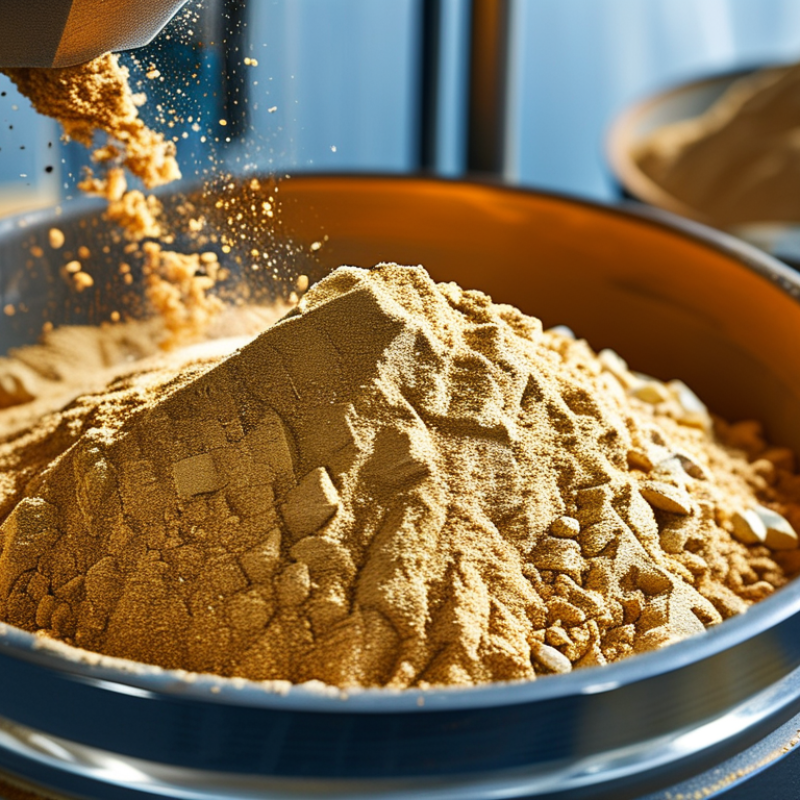
Mixing medicated powders in large-scale feed mixers is crucial for livestock health. Accurate mixing ensures that each feed batch provides the correct dosage of medication. Inconsistent mixing can lead to underdosing or overdosing. Both situations pose serious risks to animal welfare and productivity.
Understanding the functionality of large mixers is essential. They should operate uniformly, distributing medicated powders evenly throughout the feed. Many mixers fail to achieve this, leading to clumping or uneven distribution. Regular calibration and maintenance are necessary to avoid such pitfalls. Attention to detail in the mixing process can significantly impact the success of animal treatments.
Monitoring moisture levels and feed consistency can improve mixing results. Some operators neglect these factors, resulting in less effective mixes. Frequent evaluations of the mixing process allow for adjustments. Taking time to assess the outcomes can enhance overall feed quality. Balancing efficiency with accuracy is a constant challenge, but critical for optimal results.
Choosing the right large scale feed mixer for medicated powders is crucial for effectiveness and efficiency. A well-designed mixer enhances uniformity and minimizes segregation. In a recent industry report, it was noted that improper mixing can lead to up to a 15% variance in dosage. This can undermine the therapeutic effect of the medicated powders and potentially harm livestock.
When selecting a feed mixer, consider the type of mixer that best suits your production scale. Horizontal and vertical mixers offer different benefits. Horizontal mixers provide faster mixing times and are often easier to clean. Vertical mixers, on the other hand, can be more efficient for certain types of powder. Make sure to evaluate your specific needs and production volume.
Tips: Always assess the mixing capacity and speed. Look for mixers that allow precise control over mixing times. Regular maintenance is key to ensuring optimal performance. Small adjustments in the mixing process can lead to significant improvements in consistency and quality. It’s essential to seek feedback from operators and be willing to test various methods.
| Mixer Type | Mixing Capacity (kg) | Mixing Time (minutes) | Power Consumption (kW) | Ideal for Medicated Powders |
|---|---|---|---|---|
| Horizontal Mixer | 1000 | 5 | 7.5 | Yes |
| Vertical Mixer | 800 | 8 | 5.5 | Yes |
| Ribbon Mixer | 1200 | 6 | 10 | Yes |
| Paddle Mixer | 1500 | 4 | 9 | Yes |
| Cone Mixer | 900 | 7 | 8 | Yes |
Mixing medicated powders into large-scale feed requires precision and care. A proper method ensures even distribution of the medicated ingredients. Start by measuring the required quantity of medicated powder accurately. Using a scale can help maintain the correct dosage. Remember, even small inaccuracies can lead to significant issues later.
Once measured, it's important to blend the medicated powder into a base feed. Use a large mixer that can accommodate the volume. Pour the medicated powder slowly into the mixer. Allow the machine to run for several minutes. This promotes a uniform mix, ensuring that every particle of feed has the appropriate medication.
Tips: Always check the mix after a few cycles. Look for visible clumps or uneven distribution. If needed, extend mixing time for a better blend. Store medicated feed securely to avoid contamination. Regularly clean the equipment to prevent residue buildup.
Mixing medicated powder into large-scale feed can be tricky. Many producers face challenges with uneven distribution. One common issue is the settling of powdered ingredients. This can lead to inconsistencies in nutrient delivery. When mixing, some powders may float or clump together. This causes them to not integrate properly with the bulk feed.
Another challenge arises from the equipment used. Many large-scale mixers have different mixing dynamics. Some may not create sufficient turbulence to evenly distribute fine powders. Operators must pay attention to the mixer’s design. Regularly testing mix samples can help ensure uniformity and identify problems early. Sometimes, adjusting the mixer’s speed or adding a liquid can improve integration.
It’s essential to train staff on best practices. They should understand how to monitor and adjust the mixing process. Constantly reviewing mixing techniques can uncover areas for improvement. Remember, even small changes can lead to significant enhancements in product quality and efficiency.
When mixing medicated powders in large-scale feed mixers, maintaining consistency is crucial. Uneven distribution can lead to overdosing or underdosing, both of which affect animal health. A well-designed mixing process ensures that medicated powders are evenly integrated into the feed. Utilize specialized mixing equipment designed for powders to improve mixing efficiency. These machines can handle different ingredient densities and reduce segregation.
It is also important to monitor the mixing time carefully. Too short a mix may leave powders poorly distributed, while too long can degrade their effectiveness. Regular testing of mixed feed samples ensures that the active ingredients remain within specified ranges. One should consider utilizing a small batch of feed for initial testing before full-scale production. This approach can reveal unforeseen issues in powder integration.
Operators must be trained in best practices for mixer operation. Each type of mixer may require different handling techniques. Regular maintenance of equipment ensures that it runs smoothly and efficiently. Additionally, understanding the characteristics of the medicated powders—like flowability—can influence the mixing process. Ultimately, attention to detail and ongoing evaluation improve the reliability of feed mixing.
: Measure the required quantity accurately using a scale. Small errors can cause significant issues later.
Blend the medicated powder into a base feed using a large mixer that fits the volume.
Allow the machine to run for several minutes to promote a uniform mix of the feed.
Uneven distribution happens when powders settle or clump together, leading to inconsistencies.
Regularly check the mix for clumps and extend mixing time if needed for better blending.
Utilize specialized mixing equipment designed for powders to improve efficiency and reduce segregation.
Too short a mix can leave powders unevenly distributed, while too long may degrade their effectiveness.
Test a small batch of feed first to identify unforeseen issues with powder integration.
Train staff on best practices and encourage regular reviews to find areas for improvement.
Certain mixers may not create enough turbulence for fine powders, impacting even distribution.
Mixing medicated powders in large-scale feed mixers is crucial for ensuring the health and safety of livestock. To achieve optimal results, one must first understand the importance of accurate mixing to ensure consistent medication distribution. Choosing the right feed mixer is also essential, as it affects the mixing efficiency and the uniformity of the finished product.
A step-by-step process can guide how to mix medicated powder evenly in large scale feed mixers, addressing common challenges such as segregation and clumping. Overcoming these obstacles requires implementing best practices, such as proper equipment calibration and using appropriate mixing techniques, to guarantee a uniform distribution of medicated powders throughout the feed. By following these guidelines, producers can ensure effective medication delivery and improve overall feed quality.
