Vetsys Pharmaceutical
Why use herbal medicine extracts for organic livestock farming? The question matters as organic production expands. FiBL and IFOAM’s 2024 statistics report recorded 96.4 million hectares of organic farmland worldwide in 2022. The same report valued global organic retail sales at approximately US$134.8 billion. More animals now enter systems that restrict routine pharmaceutical use. Farmers therefore need practical, evidence-based options.
Herbal extracts may support digestion, appetite, skin care, and stress management. Their value depends on the plant, dose, extraction method, and animal species. A bitter herb in a clean trough is not automatically effective. It can also be unsafe. Professor Urs Niggli, former director of the Research Institute of Organic Agriculture, has said, “Organic farming is a system, not merely a list of permitted inputs.” That principle should guide every extract decision.
FAO reports on antimicrobial resistance encourage prevention, hygiene, vaccination, nutrition, and responsible veterinary care. Herbal products may fit within that broader strategy, but they should not replace diagnosis or necessary treatment. Evidence remains uneven. Some studies use small groups, short trials, or laboratory conditions. That weakness deserves attention. The strongest farms record feed intake, manure consistency, weight gain, parasite signs, and withdrawal requirements. Veterinarians should verify product quality and local organic certification rules. These seven tips will examine selection, dosing, documentation, safety, and measurable outcomes. The goal is not a fashionable remedy. It is a careful tool within a resilient livestock system.
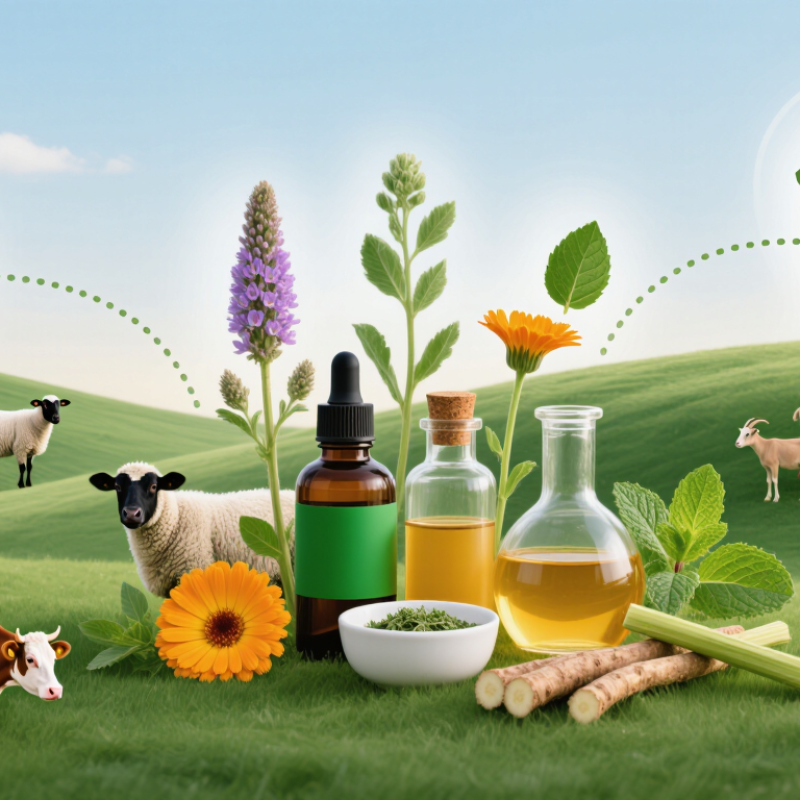
Herbal extracts in organic livestock farming are concentrated preparations made from plants, such as leaves, roots, seeds, or flowers. They may contain essential oils, polyphenols, bitter compounds, or other natural substances. Unlike dried herbs, extracts use water, glycerin, or approved solvents to collect selected compounds. Farmers may add them to feed, drinking water, or topical preparations, depending on certification rules and veterinary advice.
The market context is significant. FiBL’s 2024 survey reported 96.4 million hectares of organic agricultural land worldwide in 2022. This expansion increases interest in plant-based livestock support. However, “natural” does not automatically mean safe or effective. Extract strength can change with plant variety, harvest time, drying temperature, and storage.
Tip: Request batch information, including plant identity, extraction method, concentration, and contaminant testing. Vague labels deserve caution.
Some extracts are studied for supporting appetite, digestion, antioxidant activity, or normal microbial balance. Evidence remains uneven. Results from laboratory studies may not match outcomes in a working barn.
Tip: Introduce one product at a time and record feed intake, manure consistency, behavior, and production results. Keep a critical eye.
Tip: Confirm every ingredient with the relevant organic certifier and livestock veterinarian.
The European Commission’s organic production framework permits only authorized inputs, so farm approval cannot rely on marketing language alone. Clean water, balanced nutrition, ventilation, and vaccination plans still matter more than any extract. That is easy to forget.
Herbal extracts can support animal health naturally when used as part of a complete farm plan. Their plant compounds may help maintain appetite, digestion, and gut microbial balance. Common examples include oregano, thyme, garlic, and peppermint extracts. Their effects vary with dosage, extraction method, animal species, and feed quality. Evidence still matters.
A practical approach includes seven checks: choose traceable plants, verify active compounds, begin with a conservative dose, protect extracts from heat, monitor feed intake, record health changes, and review results with a veterinarian. Some extracts may support antioxidant defenses or digestive comfort, but they cannot replace vaccination, clean water, balanced nutrition, or suitable housing. On an organic farm, prevention remains the daily foundation. Keep it measured.
The European Medicines Agency’s ESVAC report recorded a 53% reduction in veterinary antimicrobial sales across participating European countries between 2011 and 2022. This trend increases interest in complementary tools, including carefully evaluated botanicals. However, reduced antimicrobial use does not prove that herbs alone prevent disease. The FAO also emphasizes stronger prevention, biosecurity, and responsible animal-health management across food systems. A useful farm record should track diarrhea, weight gain, mortality, feed conversion, and treatment frequency. Results may be uneven. That is the honest part. Herbal extracts deserve attention, but many field claims still need larger, controlled trials. Use only approved products and follow local organic standards and veterinary guidance.
How herbal extracts may support animal health naturally
Herbal extracts are commonly studied for antioxidant activity, digestive support, gut microbial balance, immune modulation, and palatability. The scores show qualitative evidence confidence from 1 (limited) to 5 (strong) based on findings commonly reported in peer-reviewed animal-nutrition research; they are not guaranteed farm-performance results. Results depend on the plant species, extraction method, dose, animal species, and management conditions.
Evidence context: peer-reviewed reviews on phytogenic feed additives and guidance from international animal-nutrition and organic-farming standards.
Seven Key Benefits of Using Herbal Extracts on Organic Farms
Herbal extracts are concentrated plant compounds used in carefully managed livestock programs. On organic farms, their value appears in seven practical areas. Better appetite is one. Digestive support is another. Selected compounds may help maintain gut microbial balance. They can also support normal immune responses during transport, weather shifts, or weaning. Some extracts improve feed efficiency. Others may reduce manure odor by supporting digestion. A seventh benefit is possible reduction in routine antimicrobial dependence, always under veterinary oversight. These effects depend on animal species, dosage, and extract quality.
FiBL and IFOAM Organics International reported 96.4 million hectares of organic agricultural land worldwide in 2022. That scale makes practical, low-input tools increasingly relevant. The WHO estimates that bacterial antimicrobial resistance directly caused 1.27 million deaths in 2019. This strengthens the case for prudent antimicrobial use, but herbs are not replacements for diagnosis or prescribed treatment. Extract quality, storage, and animal response can differ sharply. Results are rarely uniform. Farm records should track feed intake, weight gain, fecal consistency, odor, and treatment events. That evidence-led approach supports reliable decisions and exposes weak assumptions.
| No. | Key Benefit | Common Herbal Sources | How It May Help Livestock | Suitable Organic-Farm Application | Important Practical Note |
|---|---|---|---|---|---|
| 1 | Supports Digestive Health | Oregano, thyme, peppermint, fennel | Aromatic plant compounds may support normal digestive function, appetite, and intestinal microbial balance. | Use as a feed or drinking-water supplement when animals experience diet changes, transport stress, or reduced feed intake. | Results vary with species, extract quality, dosage, diet, and farm conditions; it is not a substitute for veterinary treatment. |
| 2 | Provides Antioxidant Support | Rosemary, turmeric, ginger, green tea | Phenolic compounds and other plant constituents can help protect feed and cells from oxidative damage. | Consider during heat stress, high-production periods, or other management situations that increase oxidative pressure. | Antioxidant activity in laboratory tests does not guarantee a specific production response in every herd or flock. |
| 3 | May Help Maintain Normal Immune Function | Garlic, ginger, echinacea, turmeric | Certain plant compounds have been studied for their immunomodulatory and anti-inflammatory properties. | Use as part of a broader prevention program that includes vaccination, hygiene, adequate nutrition, and low-stress handling. | Herbal extracts should not be promoted as cures or replacements for diagnosis and approved veterinary medicines. |
| 4 | Offers Plant-Based Microbial Management | Oregano, thyme, cinnamon, garlic | Essential-oil constituents may inhibit or limit the growth of some microorganisms under laboratory and controlled feeding conditions. | Incorporate into feed-management plans where permitted, alongside clean housing, safe water, and effective manure management. | Activity is compound-specific and dose-dependent; excessive use may reduce palatability or disturb beneficial gut microbes. |
| 5 | Supports Feed Intake and Performance | Anise, fennel, peppermint, ginger | Pleasant aromas and digestive support may help maintain feed intake, especially when animals face environmental or dietary stress. | Use carefully in starter diets, transition periods, or seasonal stress-management programs. | Performance benefits are inconsistent across trials, so farms should monitor intake, weight gain, feed efficiency, and animal behavior. |
| 6 | May Improve Product Quality and Shelf Stability | Rosemary, sage, oregano, green tea | Some antioxidant-rich extracts may reduce lipid oxidation in animal products or feed when used at appropriate levels. | Evaluate in meat, egg, or milk production systems where product quality and oxidative stability are important. | Product effects depend on the animal diet, extraction method, storage conditions, and legal use level. |
| 7 | Fits Preventive and Sustainable Farm Management | Locally approved herbs such as garlic, rosemary, thyme, and peppermint | Herbal products can complement nutrition, biosecurity, pasture management, and responsible antimicrobial-use strategies. | Select certified or traceable inputs and include them in documented herd-health and organic-management plans. | Organic approval differs by country and certification body; verify permitted ingredients, processing methods, claims, withdrawal periods, and record-keeping requirements before use. |
Management reminder: Herbal extracts are complementary feed or health-support tools. Their use should be based on species-specific evidence, professional advice, product specifications, and the organic standards applicable to the farm.
Herbal extracts can support organic livestock care, but selection should begin with the animal, not the product. Check the species, age, weight, health status, and production stage. A formula suitable for laying hens may not suit dairy goats. Confirm that every ingredient meets your organic certification rules and local feed regulations. “Natural” does not automatically mean safe.
Choose extracts with clear botanical names, plant parts, extraction methods, concentration, and batch numbers. Prefer suppliers that provide contaminant testing, including pesticides, heavy metals, microbes, and unwanted residues. Ask a veterinarian or qualified animal nutritionist to review the product. Their advice matters more when animals are pregnant, medicated, dehydrated, or seriously ill. Keep treatment records, even for small trial groups.
Administration needs equal care. Follow the documented dose and never estimate it by eye. Mix extracts evenly into feed or water, then check whether animals actually consume enough. Introduce one extract at a time and monitor appetite, manure, milk, eggs, behavior, and skin condition. Stop use and seek veterinary guidance if reactions appear. Respect withdrawal requirements where applicable. A small, labeled test group is safer than treating the whole herd immediately.
A cautious approach can feel slow. It is still responsible. Some results may be unclear, and that uncertainty should stay in the farm record rather than being hidden.
7 Tips Why Use Herbal Extracts in Organic Livestock Farming?
What Farmers Should Consider Before Using Herbal Extracts
Organic livestock farmers often explore herbal extracts for appetite, digestion, or general resilience. However, “natural” does not automatically mean safe or effective. Tip 1: Define the problem first. Record feed intake, manure consistency, temperature, and behavior. Tip 2: Ask a veterinarian to investigate disease before adding herbs. WOAH’s annual antimicrobial-use reports emphasize responsible treatment decisions and better farm records. Herbal products should support care, not delay it.
Tip 3: Check the extract’s identity, concentration, batch number, and contaminant testing. Plant chemistry can change with soil, harvest time, and storage. Tip 4: Confirm organic compliance in your market. Eurostat reported that organic farmland reached about 10.5% of EU agricultural land in 2022, increasing pressure for credible input controls. Tip 5: Start with a small, monitored group. Never change feed, water, and supplements together. Otherwise, results become difficult to interpret.
Tip 6: Watch for practical risks. A strong bitter taste may reduce water intake, especially in young animals. Tip 7: Set a stopping point before treatment begins. Keep withdrawal, safety, and residue requirements in mind. Research findings are often mixed, and many trials use small groups. That matters. I would not claim every herbal extract works. Farmers should compare treated and untreated animals, review the records after two weeks, and adjust only when the evidence is clear.
They may support appetite, digestion, gut balance, and antioxidant defenses. Their effects depend on dose, animal species, feed quality, and extraction method. Evidence matters.
Suitability depends on species, age, weight, health, and production stage. A mixture for laying hens may not suit dairy goats. Start small.
Check the botanical name, plant part, concentration, extraction method, and batch number. Confirm testing for pesticides, heavy metals, microbes, and other residues.
No. Natural products can cause reactions or reduce feed and water intake. A bitter taste may discourage young animals from drinking. Monitor carefully.
Use the documented dose, not an estimate by eye. Mix it evenly into feed or water. Introduce one extract at a time.
Record feed intake, manure, weight gain, behavior, mortality, and treatment frequency. Also note milk, eggs, skin condition, and water consumption.
A small, labeled test group is safer. Compare treated and untreated animals when practical. Changing several inputs together makes results difficult to interpret.
No. They cannot replace balanced nutrition, clean water, suitable housing, vaccination, or professional care. Investigate disease before adding herbs.
Set a review point before treatment begins, such as two weeks. Some results may remain unclear. That uncertainty belongs in the farm record.
Confirm organic certification requirements, feed regulations, residue limits, and withdrawal requirements in the local market. Use only products permitted for the intended animals.
Herbal extracts are concentrated preparations made from plants and used as supportive tools in organic livestock farming. They may provide naturally occurring compounds that help maintain digestion, immune balance, respiratory comfort, skin condition, and overall vitality when included in a well-managed feeding and care program. This explains why use herbal medicine extracts for organic livestock farming: they can complement preventive husbandry practices while reducing reliance on unnecessary synthetic interventions. Their value is greatest when combined with clean housing, balanced nutrition, fresh water, vaccination where permitted, and regular animal observation.
Farmers should select clearly identified, quality-controlled extracts suited to the species, age, and health status of their animals. Administration must follow responsible dosage guidance and organic production standards, with careful attention to possible allergies, interactions, withdrawal requirements, and individual sensitivity. Before use, farmers should consult a qualified veterinarian or animal nutrition professional, keep accurate records, and monitor results. Herbal extracts should support—not replace—professional diagnosis, humane care, and appropriate treatment of illness.
