In the field of veterinary medicine, the concept of bioavailability is crucial. Dr. Jane Smith, an expert in veterinary pharmacology, emphasizes its significance. She states, "Understanding bioavailability is key to effective treatment in animals." This highlights why is bioavailability important in veterinary injections.
Bioavailability refers to how much and how quickly a drug enters the systemic circulation. This is vital for ensuring that animals receive adequate therapeutic effects. The right dosage must reach the intended targets within the body. A higher bioavailability means more effective treatment outcomes.
Challenges arise in achieving optimal bioavailability. Various factors can influence this, including the drug formulation and the animal's unique physiology. For instance, some injections may not be fully absorbed, leading to suboptimal results. Veterinarians must be aware of these issues to ensure they provide the best care for their patients.
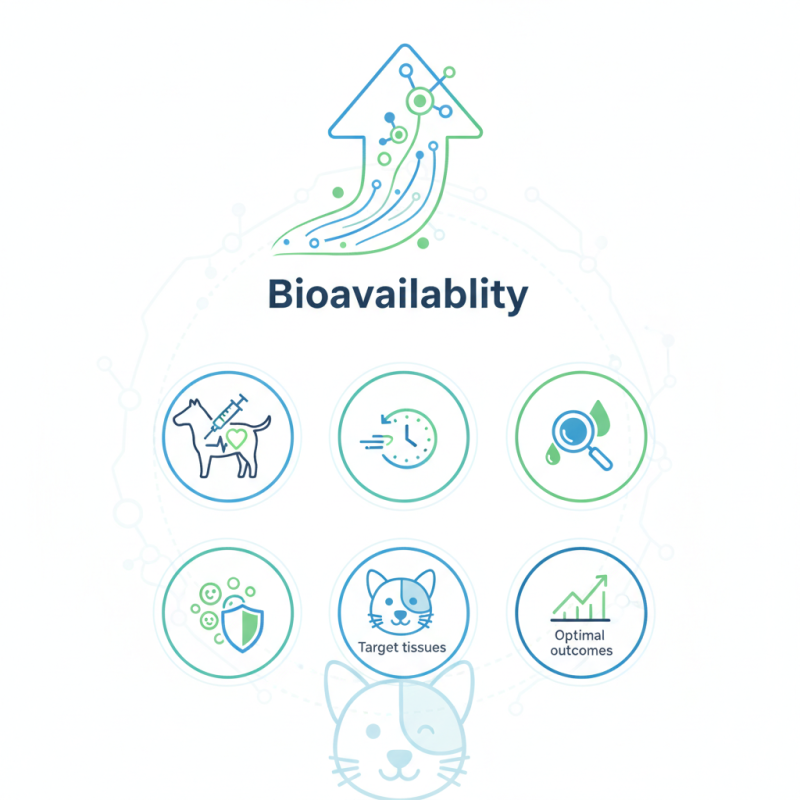
Understanding Bioavailability in Veterinary Medicine
Bioavailability in veterinary medicine is crucial for effective treatment. It refers to how much of a drug reaches the bloodstream and how quickly it does so. When veterinarians select injectable medications, they consider bioavailability to ensure the correct dosage reaches the animal effectively. A drug with low bioavailability may not produce the desired therapeutic effects. This could lead to prolonged illness or even treatment failures.
Proper understanding of bioavailability helps in making informed choices. Veterinarians often assess factors such as the route of administration. Intravenous injections generally offer 100% bioavailability. In contrast, intramuscular or subcutaneous injections may vary significantly. These differences affect how soon an animal will respond to treatment.
Tips: Always inquire about the bioavailability of injectable medications. Understanding these aspects can aid your veterinarian in tailoring treatments specific to your animal's needs. Also, consider that individual animal factors, such as age and health status, can influence how drugs perform.
Veterinarians must stay updated on bioavailability developments. New research may present more effective options. Reflecting on past treatment outcomes can reveal valuable insights. Bioavailability isn't just a number; it’s a key to a successful veterinary practice.
The Role of Bioavailability in Drug Efficacy
Bioavailability plays a crucial role in drug efficacy for veterinary injections. It refers to the proportion of a drug that enters circulation when introduced into the body. For pets and livestock, ensuring high bioavailability means better therapeutic outcomes. When a drug is administered, several factors affect its bioavailability. These include the route of administration, formulation, and the animal's physiology.
Injectable drugs often have a higher bioavailability than oral medications. This is vital in situations requiring fast action. For instance, emergency treatments rely on rapid drug absorption. Injectable forms allow healthcare providers to bypass barriers like digestion and liver metabolism. This leads to quicker relief from symptoms.
However, variations among different animal species present challenges. What works well in dogs may not be effective in cats or horses. Veterinary professionals must be mindful of these differences. Not all formulations guarantee the same effectiveness. Ongoing research is necessary to enhance understanding.
Each animal’s response can vary, leading to potential inadequacies in treatment. An accurate assessment of bioavailability ensures that doses are effective and safe for each individual. This awareness is fundamental in delivering reliable care across diverse species.
Factors Influencing Bioavailability in Injections
Bioavailability in veterinary injections plays a crucial role in treatment effectiveness. Various factors influence how well a drug is absorbed into the bloodstream. One key factor is the injection site. Different areas of the body can absorb substances at varying rates. For example, injections into muscle tissue often have higher absorption rates compared to subcutaneous injections. This variability can affect how quickly a medication starts working.
The formulation of the injection also impacts bioavailability. Active ingredients, stabilizers, and emulsifiers can change how a drug performs. For instance, a drug with complex molecules may not dissolve well. This means less of it enters the system effectively. Temperature during storage and administration can also play a role. Proper handling is essential to maintain the drug's integrity. If not stored correctly, the drug's effectiveness may diminish.
Another consideration is the animal's physiological state. Factors like hydration levels and overall health can influence absorption rates. Dehydration can impair circulation, negatively affecting drug distribution. On the other hand, a well-hydrated animal may showcase quicker responses to treatment. Reflection on these factors is vital. Understanding them can lead to more effective veterinary practices. Balancing these complexities is an ongoing challenge for veterinary professionals.
Implications of Low Bioavailability on Animal Health
Bioavailability is a crucial factor in veterinary injections. Low bioavailability can lead to insufficient therapeutic effects in animals. According to the Journal of Veterinary Pharmacology and Therapeutics, only 30% of some injectable medications are effectively utilized by the body. This inefficiency can prolong illness and delay recovery.
When discussing animal health, it’s important to consider how poorly absorbed drugs can impact treatment outcomes. Inadequate drug levels might cause resistance in pathogens, resulting in harder-to-treat infections. A recent study found that almost 40% of veterinary practices reported concerns over low bioavailability affecting drug efficacy.
Such challenges compel veterinarians to rethink treatment protocols. If the dog or cat doesn’t respond as expected, it can raise questions about the injection's formulation. Each animal's physiology is unique, meaning that bioavailability often varies significantly among species. Achieving optimal drug absorption demands ongoing research and persistent improvements in formulations.
Top 5 Reasons Why Bioavailability Matters in Veterinary Injections? - Implications of Low Bioavailability on Animal Health
| Reason |
Implication |
Animal Health Impact |
| Increased Efficacy |
Higher therapeutic levels achieved in target tissues. |
Improved treatment outcomes and faster recovery times. |
| Reduced Dosage |
Lower required dosage minimizes risk of overdosing. |
Decreased side effects and toxicity risk. |
| Consistency in Results |
Provides reliable therapeutic outcomes across different individuals. |
Better overall health management for populations. |
| Enhanced Animal Welfare |
Effective pain management and disease control. |
Improved quality of life and productivity. |
| Economic Efficiency |
Reduced waste and costs associated with ineffective treatments. |
Sustained animal health and reduced veterinary expenses. |
Strategies to Improve Bioavailability in Veterinary Injections
Bioavailability is crucial for the effectiveness of veterinary injections. Enhancing this factor can lead to better treatment outcomes for animals. Various strategies exist to improve bioavailability and ensure that medications reach their intended sites efficiently.
One effective strategy is the use of adjuvants. These compounds can improve the absorption of active ingredients. They help in making the injection more effective. Another method involves adjusting the pH levels of the injection. This optimization can facilitate more efficient uptake into the bloodstream. Proper formulation is key.
Tips: Always consult with veterinary professionals before making any changes. Monitor the animal’s response closely to ensure the strategy is effective. Consider the animal’s overall health when selecting medications and methods.
Additionally, using microemulsions or nanoparticles can enhance delivery systems. This technology can improve solubility and stability. However, it’s essential to analyze the risks and benefits of each approach. Sometimes, what works for one animal may not work for another.
Tips: Keep detailed records of different strategies used. This data can aid in making informed decisions in the future. Stay updated on recent advancements in veterinary medicine.
FAQS
: Bioavailability refers to how much of a drug reaches the bloodstream and its speed of absorption.
Low bioavailability may lead to ineffective treatment and prolonged illness in animals.
They consider the route of administration, as it affects drug absorption and efficacy.
Intravenous injections generally offer 100% bioavailability, providing immediate effects.
Injection site, formulation, temperature, and the animal's health all play a significant role.
Dehydration can impair circulation and slow drug distribution, while hydration can enhance effects.
Understanding bioavailability helps tailor treatments to meet specific needs of their pets.
Yes, age, health status, and hydration levels can all affect how drugs perform in animals.
Improper storage can diminish a drug's effectiveness, impacting treatment success.
They should reflect on past outcomes and stay updated with research on bioavailability.
Conclusion
Bioavailability is a crucial aspect of veterinary injections, directly influencing the effectiveness of drug therapies in animals. Understanding bioavailability in veterinary medicine is essential, as it determines how much of a administered drug reaches systemic circulation and how effectively it can exert its therapeutic effects. Several factors can impact bioavailability in injections, including the formulation of the drug, the method of administration, and individual animal differences.
Low bioavailability can lead to ineffective treatment outcomes, potentially compromising animal health and wellbeing. Therefore, it is vital to explore strategies to improve bioavailability in veterinary injections, such as optimal drug formulations and delivery methods. Ultimately, the question of why is bioavailability important in veterinary injections boils down to its significant role in ensuring that animals receive the maximum benefit from their medications, leading to better health outcomes.
 Vetsys Pharmaceutical
