Vetsys Pharmaceutical Vetsys Pharmaceutical

How to Prevent Mold Growth in Stored Animal Feed?

Time:2026-09-05 Author:Madeline
0%

Mold growth in stored animal feed can pose serious risks to livestock health. Ensuring feed remains uncontaminated is crucial. Dr. Jane Thompson, a leading animal nutritionist, emphasizes, "Proper storage conditions are essential to prevent mold." Understanding how to prevent mold growth in stored animal feed is vital for farmers and feed suppliers.

Temperature and humidity control are key factors. Storing feed in a dry, cool environment can significantly reduce mold risk. Regularly monitoring conditions helps maintain the integrity of the feed. Ignoring these details can lead to detrimental effects. Moldy feed may lead to health issues in animals, ultimately impacting farmers’ livelihoods.

Adopting best practices is essential. Many believe they have it covered, but simple oversights can lead to mold issues. Even the most seasoned farmers learn this the hard way. Education and consistent vigilance ensure quality feed remains mold-free. Implementing expert advice can save substantial costs in the long run.
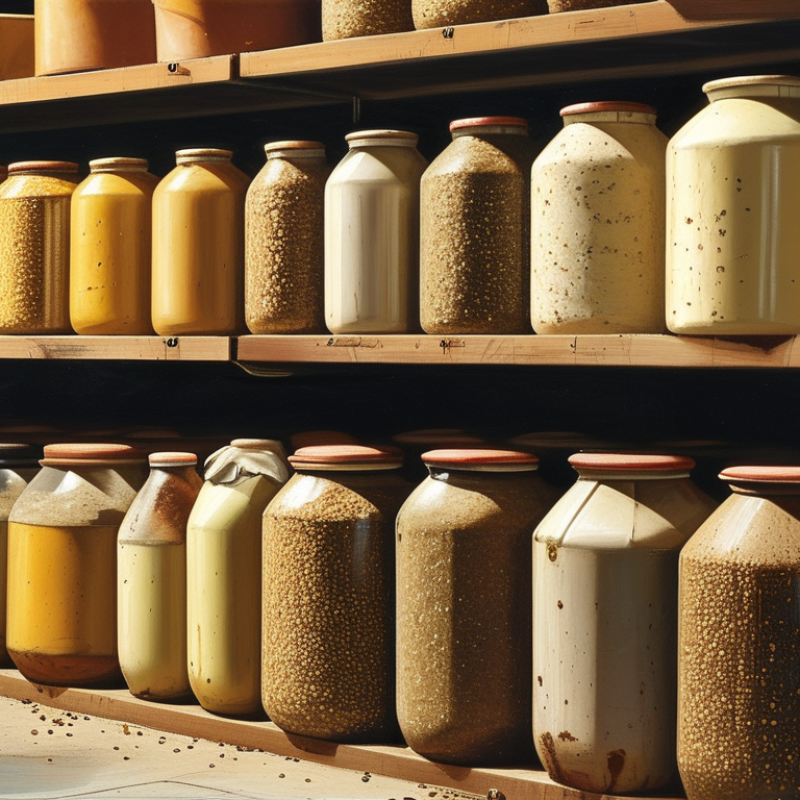
How to Prevent Mold Growth in Stored Animal Feed?

Understanding Mold Growth and Its Risks in Animal Feed

Mold growth in stored animal feed poses serious risks, impacting livestock health and farm productivity. A study by the National Animal Feed Association indicates that nearly 30% of feed samples tested positive for mold. Mold feeds on organic matter, thrives in warm, humid conditions, and can produce mycotoxins that affect animals adversely. These toxins are linked to reduced immunity and can result in metabolic disorders. Certain species of mold, such as Aspergillus, can be particularly harmful, leading to severe consequences for animal welfare.

To prevent mold, it is essential to store feed in cool, dry conditions. Maintaining a relative humidity of less than 14% is critical. Regular monitoring is important; inspecting storage areas for moisture and signs of mold growth can help catch issues early. A report from the Animal Nutrition Association suggests implementing a robust feed management system. This ensures timely consumption of feed and minimizes degradation. Despite best efforts, inconsistent practices in barn management can lead to mold problems. Therefore, continual education on feed storage and mold prevention is vital for all stakeholders in animal husbandry.

Optimal Storage Conditions to Prevent Mold Development

To effectively prevent mold growth in stored animal feed, optimal storage conditions are essential. One of the key factors is moisture control. Keeping the environment dry is crucial, as mold thrives in humid conditions. Aim for a relative humidity level below 14%. Utilize moisture-absorbing materials, if necessary, to help maintain dryness.

Temperature also plays a significant role. Store feed in a cool, dark place. Ideal temperatures are around 40°F to 70°F. Excessive heat can accelerate mold growth, especially in high humidity. Check the feed regularly for signs of spoilage. Even a small spot of mold can indicate a larger problem.

Airflow is another important factor. Proper ventilation helps reduce moisture levels and keeps feed dry. Avoid stacking bags too high, which can restrict air circulation. Instead, store them on pallets and ensure there is space between each bag. Taking these steps may seem tedious, but they are vital for maintaining high-quality animal feed. Regular inspections are necessary, as mold can develop quietly. By actively managing these storage conditions, you can significantly reduce the risk of mold growth.

How to Prevent Mold Growth in Stored Animal Feed

As shown in the chart, mold growth risk increases significantly with higher temperatures and humidity levels, while longer storage durations also contribute to the potential for mold development. Managing these factors is crucial for the preservation of animal feed.

Effective Packaging Solutions for Animal Feed Protection

Mold growth in stored animal feed can significantly affect livestock health and farm productivity. One effective approach to prevent such growth is through proper packaging solutions. According to the Animal Feed Quality Assurance Program, moisture control is paramount. Packaging must be airtight to prevent water intrusion.

Selecting moisture-resistant materials is crucial. For example, multi-layered films provide excellent barriers against moisture and oxygen. Studies show that reducing moisture levels in packaging can lower mold incidence by up to 80%. Additionally, using vacuum packaging can help extend storage life and enhance feed quality.

However, it's important to regularly inspect stored feed, even with the best包装. Signs of deterioration can be easily missed. Farms should consider periodic checks to assess mold spores. This proactive approach ensures a healthy feeding environment and promotes livestock well-being.

Regular Inspection and Monitoring of Stored Feed

Regular inspection of stored animal feed is essential to prevent mold growth. It helps you catch potential issues early. Mold thrives in damp and dark environments. By checking the feed regularly, you can identify mold spores before they spread. This simple act can save you from costly damages.

Monitoring humidity levels is crucial. Ideal humidity should be below 14% for feed storage. Keep a hygrometer to track moisture levels. Excess humidity can promote mold growth. You may notice musty odors or discoloration if mold starts to develop. These are clear signs that immediate action is required.

Moreover, inspecting storage areas is just as important. Ensure proper ventilation in your feed storage. Stagnant air can lead to increased humidity. Remove any spoiled or old feed promptly. Managing feed properly requires constant vigilance. This is a process that needs reflection and care.

Implementing Mold Inhibitors and Other Preventive Measures

Preventing mold growth in stored animal feed is crucial for maintaining its quality and safety. Implementing mold inhibitors can be an effective strategy. Natural options, such as propionic acid, help inhibit mold development. These substances create an environment that is less favorable for mold growth. However, it's essential to determine the right dosage. Overuse may harm the feed quality or the animals.


Ventilation plays a vital role as well. Ensure storage areas have proper airflow to reduce humidity levels. Wet conditions encourage mold spores to thrive. Regularly inspect feed storage areas for any signs of mold or moisture buildup. Quick action is necessary if any issues arise. Additionally, consider using moisture-absorbing materials like silica gel in feed storage bags. These methods can collectively help in maintaining feed quality.


Regular training for staff is essential in managing feed storage. Educate them on the importance of mold prevention. Even small lapses can result in significant losses. Encourage reporting of any potential problems. Consistent monitoring is necessary, although it can be overlooked. Remember, a proactive approach will protect both the animals and the investment in quality feed.

FAQS

: What is the ideal humidity level to prevent mold growth in animal feed?

: Keep the relative humidity below 14% to effectively prevent mold.

Why is temperature control important in feed storage?

Ideal storage temperatures range from 40°F to 70°F. Excessive heat can promote mold growth.

How often should stored feed be inspected?

Regular checks are necessary for signs of spoilage and mold development. Small problems can escalate quickly.

What packaging solutions can help prevent mold in animal feed?

Airtight packaging made from moisture-resistant materials can significantly reduce mold growth.

How can mold inhibitors aid in preventing mold growth?

Natural options like propionic acid make conditions less favorable for mold but require careful dosage.

What role does airflow play in mold prevention?

Proper ventilation is vital; it helps reduce moisture levels and prevents mold spores from thriving.

What is a common oversight in managing feed storage?

Many neglect regular monitoring, which can lead to unnoticed mold issues. Consistent checks are crucial.

Can moisture-absorbing materials be beneficial?

Yes, materials like silica gel can help manage moisture in feed storage, promoting overall quality.

What should be done if mold is detected in stored feed?

Quick action is essential; address any issues immediately to protect animal health and feed quality.

Why is staff training important in feed management?

Educating staff on mold prevention can help avoid significant losses due to small lapses in monitoring and reporting.

Conclusion

In addressing the question of how to prevent mold growth in stored animal feed, it is crucial to understand the conditions that foster mold development and the associated risks. Mold thrives in moist, warm environments, making it essential to maintain optimal storage conditions by controlling humidity and temperature. Additionally, effective packaging solutions can greatly reduce exposure to air and moisture, further protecting the feed.

Regular inspection and monitoring of stored feed are vital practices that allow for early detection of mold and spoilage, enabling timely action. Furthermore, implementing mold inhibitors and other preventive measures can act as a safeguard, enhancing the longevity and safety of animal feed. By combining these strategies, producers can significantly mitigate the risk of mold contamination and ensure the health of their livestock.

Madeline

Madeline

Madeline is a dedicated marketing professional with a wealth of expertise in our company's core offerings. With a keen understanding of the industry, she brings a unique perspective to her role, consistently delivering high-quality content that highlights the superior aspects of our products. As......