Vetsys Pharmaceutical Vetsys Pharmaceutical

Top Signs of Mineral Deficiency in Dairy Cattle?

Time:2026-09-10 Author:Henry
0%

When asking “what are the signs of mineral deficiency in dairy cattle,” many producers look for dramatic symptoms. The earliest clues are often quieter. A cow may lose appetite, produce less milk, or show a dull coat. Her body condition can decline despite an apparently adequate ration. Some signs overlap with disease, heat stress, or poor feed quality. That makes careful observation essential.

Dr. Mike Hutjens, a respected dairy nutrition educator, has said, “More is not always better.” His warning matters because mineral problems involve balance, not simply quantity. Calcium, phosphorus, magnesium, selenium, copper, zinc, and salt each support different functions. A magnesium shortage may appear as nervousness, muscle tremors, or sudden collapse. Low calcium can cause weakness, cold ears, reduced rumen movement, or milk fever around calving. Selenium and vitamin E deficiency may contribute to retained placenta, weak calves, or slow recovery. These signs deserve professional investigation.

Look closely at the feed bunk.

A reliable assessment combines herd records, ration review, forage testing, blood or liver analysis, and veterinary examination. One visible symptom rarely proves a deficiency. I have seen how easy it is to blame minerals too quickly, especially when several management problems occur together. That uncertainty should not be ignored. Accurate diagnosis protects animal welfare, milk performance, and farm costs. This guide will examine practical warning signs, likely mineral links, and the limits of visual diagnosis. It will also explain when laboratory testing becomes necessary.
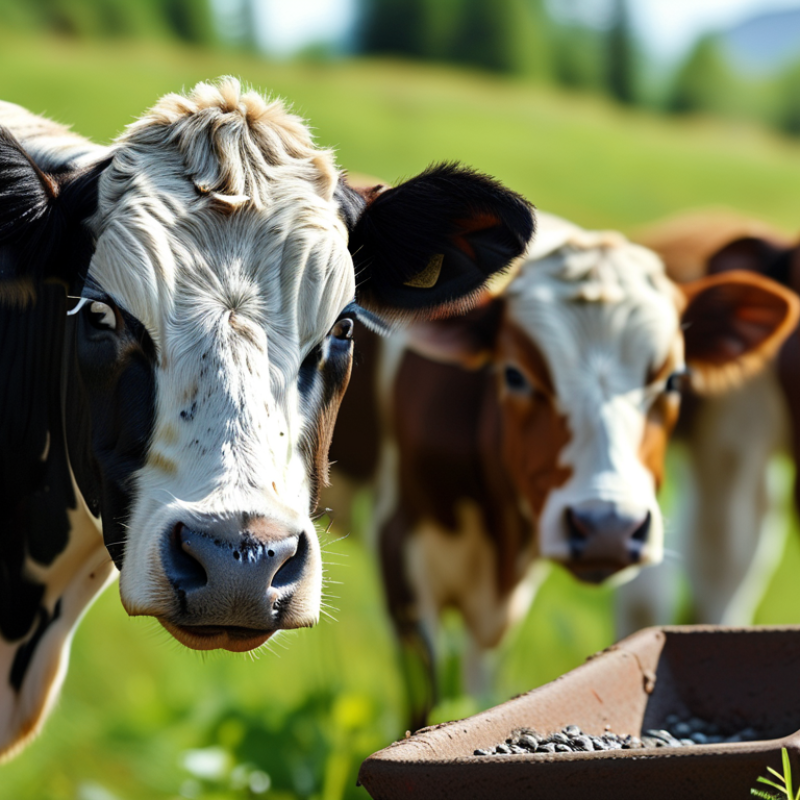
Top Signs of Mineral Deficiency in Dairy Cattle?

Early Warning Signs: Reduced Feed Intake, Milk Yield, and Fertility

Top Signs of Mineral Deficiency in Dairy Cattle

Reduced feed intake can be an early, quiet warning. A cow may leave part of her ration, chew less, or approach the feed bunk slowly. Her rumen activity may also change. These signs are easy to miss during busy milking routines. Falling milk yield often follows, especially when several cows decline together. A thinner body condition, dull coat, or unusual weakness may provide additional clues.

Fertility can suffer too. Cows may show weak heats, irregular cycles, delayed breeding, or repeat services. Low phosphorus, selenium, copper, zinc, magnesium, and calcium can contribute, but symptoms overlap. Heat stress, poor forage, infection, and energy shortage can look similar. It is easy to blame minerals too quickly. I have learned that one observation rarely proves a deficiency. Feed analysis, ration review, body-condition scoring, and veterinary testing provide stronger evidence.

Tips: Watch feed refusals and milk records daily. Check whether several cows change at once. Keep clean mineral sources available, but avoid adding large amounts without guidance. Excess minerals can also harm cattle and interfere with other nutrients. Record calving dates, breeding results, and visible symptoms. Small details matter. Review the ration after changes in forage, weather, or production level. When appetite, milk yield, or fertility declines, investigate promptly with a qualified cattle nutritionist or veterinarian.

Calcium Deficiency: Blood Calcium Below 8.0 mg/dL and Milk Fever

A blood calcium level below 8.0 mg/dL often indicates hypocalcemia in dairy cattle. The risk rises during the first hours after calving. Milk production suddenly increases calcium demand, while the cow’s calcium release may respond too slowly.

Early signs can be easy to miss. The cow may eat less, appear dull, or develop muscle tremors. Cold ears are common. Her movements may become stiff and unsteady. It can be subtle. As milk fever progresses, she may sit on her chest, lie flat, or lose the ability to stand. Bloat and reduced rumen activity can follow, making the condition life-threatening.

A farm check should include temperature, heart rate, posture, appetite, and recent calving history. Blood testing can support the diagnosis, but one low result should not replace a full examination. Other problems may resemble milk fever, including toxic mastitis, injury, or severe energy deficiency. This is where mistakes happen. Treatment should follow veterinary direction. Alert cows may receive an appropriate oral calcium supplement, while recumbent cows often require carefully administered intravenous calcium. Rapid or incorrect treatment can cause dangerous heart rhythm changes. Prevention also needs review, including dry-period nutrition, potassium levels, body condition, and the cow’s previous milk fever history. A practical record of calving times and early signs can reveal patterns that memory misses.

Magnesium Deficiency: Serum Magnesium Below 1.8 mg/dL and Grass Tetany

Magnesium deficiency in dairy cattle can develop quickly on lush spring pasture. Serum magnesium below 1.8 mg/dL is commonly used as a warning threshold for hypomagnesemia. The Merck Veterinary Manual identifies low blood magnesium as a key finding in grass tetany, also called hypomagnesemic tetany. Affected cows may appear restless, stagger, twitch, or collapse suddenly. Sometimes, there is little warning.

The risk rises when rapidly growing grass contains high potassium and low available magnesium. Cold rain, heavy grazing, and reduced dry-matter intake can worsen the problem. NASEM’s Nutrient Requirements of Dairy Cattle, 8th revised edition (2021), emphasizes diet-based mineral evaluation because magnesium needs vary with intake, milk production, and forage composition. Test forage and total mixed rations where possible. Do not rely on visual pasture quality.

Serum testing helps, but it is not a perfect boundary. A cow can deteriorate before results return. That detail matters in practice. Producers should watch fresh cows and grazing animals closely, especially after weather changes. Oral magnesium supplements may support prevention, but treatment of severe signs requires urgent veterinary care and carefully administered magnesium therapy. Poor intake can also make a well-formulated ration ineffective. A tidy ration on paper may fail at the feed bunk.

Magnesium Status in Dairy Cattle

Serum magnesium below 1.8 mg/dL indicates hypomagnesemia and is associated with an increased risk of grass tetany, also called hypomagnesemic tetany. The reference interval shown is a general clinical guide; laboratory methods, diet, lactation stage, and herd conditions may affect interpretation.

Measurement unit: mg/dL. Clinical signs can develop rapidly, so suspected grass tetany requires immediate veterinary attention.

Trace Minerals: Copper, Zinc, and Selenium Deficits Affect Coat and Immunity

Top Signs of Mineral Deficiency in Dairy Cattle

A dull, faded coat can be an early clue that trace mineral nutrition needs attention. Copper deficiency may cause rough hair, loss of coat color, and fragile-looking skin. Some cattle develop pale hair around the eyes or muzzle. Zinc deficiency often appears as scaly skin, slow hair growth, or cracks around the hooves. These signs are easy to overlook during busy milking routines. Look closely.

Selenium supports antioxidant protection and normal immune function. When intake is inadequate, calves may show weak growth, poor vigor, or greater susceptibility to illness. Adult cows might recover slowly after calving or show reduced reproductive performance. However, these signs are not specific. Heat stress, parasites, poor energy intake, and protein shortages can create similar problems. I have found that appearance alone can mislead even experienced stockpeople.

A reliable assessment combines herd history, feed analysis, and veterinary guidance. Blood or liver testing may help confirm a suspected deficiency, especially when several animals show similar changes. Check mineral sources, water quality, and possible antagonists such as excess sulfur or iron. More is not always better. Selenium and copper can become toxic when carelessly supplemented. Record coat changes, hoof condition, disease treatments, and breeding results over time. Small details often reveal the pattern.

Confirming Deficiency: Compare Forage Tests with NASEM 2021 Mineral Targets

Top Signs of Mineral Deficiency in Dairy Cattle?

Poor appetite, reduced milk yield, weak calves, and delayed reproductive recovery can indicate mineral deficiency. These signs overlap with disease, heat stress, and poor energy balance. Diagnosis should begin with a representative forage test, not visual symptoms alone.

NASEM 2021 converts mineral needs into daily requirements using body weight, dry matter intake, milk yield, and lactation stage. For example, a high-producing cow’s diet may require roughly 0.77% calcium, 0.35% phosphorus, and 0.20% magnesium on a dry matter basis. These are working values, not universal answers.

A forage test may report calcium at 0.40% and phosphorus at 0.22%. If a cow consumes 20 kilograms of forage dry matter, that equals 80 grams of calcium and 44 grams of phosphorus daily.

Compare those supplies with the NASEM model, then include minerals from silage, grain, water, and supplements. The uncomfortable part: a clean spreadsheet can still describe a poor sample.

Tips: Sample several bales or silage points, combine them carefully, and test on a dry matter basis. Review copper, zinc, selenium, sulfur, and potassium, not only calcium and phosphorus. Use laboratory methods consistently. USDA-APHIS and extension nutrition guidance also emphasize accurate feed sampling because uneven forage can hide serious variation. I would retest after a new cutting or ration change. One test is evidence, not certainty.

FAQS

: What blood calcium level may suggest hypocalcemia in dairy cattle?

: Blood calcium below 8.0 mg/dL may indicate hypocalcemia. Risk increases during the first hours after calving.

Which signs may indicate milk fever?

Reduced appetite, dullness, muscle tremors, cold ears, stiffness, and unsteady movement may appear.It can be subtle.

When does milk fever become an emergency?

A cow may sit on her chest, lie flat, or become unable to stand. Bloat may follow.Urgent veterinary care is needed.

Can one low calcium result confirm milk fever?

No. Blood testing supports diagnosis but cannot replace a complete examination.Injuries, toxic udder infections, and severe energy deficiency may look similar.

How is calcium treatment selected?

Alert cows may receive a suitable oral calcium supplement under veterinary guidance.Cows unable to stand may need carefully administered intravenous calcium.Incorrect treatment can disrupt heart rhythm.

What blood magnesium level raises concern for grass tetany?

Serum magnesium below 1.8 mg/dL commonly signals increased concern for hypomagnesemia.A cow may worsen before test results return.

Which pasture conditions increase magnesium deficiency risk?

Fast-growing spring grass may contain high potassium and limited available magnesium.Cold rain, heavy grazing, and poor intake can increase risk.Visual pasture quality is unreliable.

How should mineral deficiency be investigated?

Begin with representative forage testing and review total ration intake.Check calcium, phosphorus, magnesium, potassium, copper, zinc, selenium, and sulfur.

How can forage results be compared with daily mineral needs?

Use body weight, dry matter intake, milk yield, and lactation stage.For example, 20 kilograms of forage containing 0.40% calcium supplies about 80 grams daily.These are working estimates, not universal answers.

How can farms improve forage testing accuracy?

Sample several bales or silage locations, combine samples carefully, and test on a dry matter basis.Retest after a new cutting or ration change.One test is evidence, not certainty.

Conclusion

What are the signs of mineral deficiency in dairy cattle? Early indicators often include reduced feed intake, declining milk yield, poor body condition, and lower fertility. These changes may appear gradually, making regular monitoring of production records, reproductive performance, and animal behavior important. Calcium deficiency can be associated with blood calcium levels below 8.0 mg/dL and may contribute to milk fever, particularly around calving. Magnesium deficiency may be suspected when serum magnesium falls below 1.8 mg/dL and can increase the risk of grass tetany, often marked by nervousness, muscle tremors, or sudden weakness.

Trace mineral shortages can also affect the herd. Inadequate copper, zinc, or selenium may lead to a dull or rough coat, weakened immunity, slower recovery, and reproductive challenges. To confirm a suspected deficiency, compare forage and feed mineral tests with the 2021 NASEM mineral targets, while also considering animal stage, diet composition, and clinical findings. Testing and professional evaluation are essential before making dietary adjustments.

Henry

Henry

Henry is a dedicated marketing professional with a profound expertise in the company's offerings. With years of experience in the industry, he possesses an impressive understanding of the market dynamics and consumer behaviors that drive success. Henry is committed to sharing his insights through......