Vetsys Pharmaceutical Vetsys Pharmaceutical
Top Trusted Milk Replacers Manufacturers & Suppliers

Global Strategic Whitepaper on Neonatal Animal Nutrition, Precision Spray-Drying Technologies, and Sustainable Enterprise Supply Chain Integration

Featured Veterinary & Nutritional Products

Direct supply of high-grade formulations and precision animal health solutions.
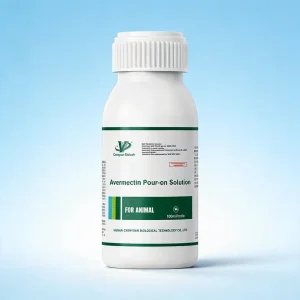
Topical Avermectin Pour-on Solution
Topical Avermectin Pour-on Solution Easy-to-Use Dewormer for Puppies & Kittens
View Details
Fragrance Removing Cream Topical Skin Ointment
Fragrance Removing Cream Topical Skin Ointment for Both Men and Women
View Details
Tongkat Ali Root Herbal Medicine
Comext Factory Natural Plant Extracts Tongkat Ali Root Herbal Medicine
View Details
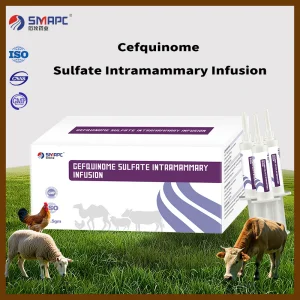
Cefquinome Sulfate Intramammary Infusion
Cefquinome Sulfate Intramammary Infusion (Lactating Cow) for Veterinary Use Only
View Details
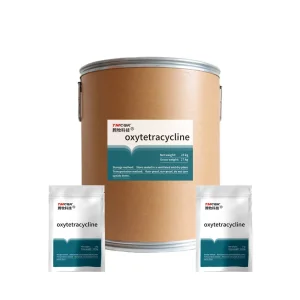
Oxytetracycline Raw Material
Postpartum Anti-Inflammatory Sustained Release Long Acting Oxytetracycline Raw Material Broad Spectrum
View Details
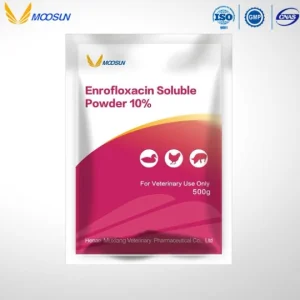
Enrofloxacin Soluble Powder
Enrofloxacin Soluble Powder (10%, Animal Veterinary Use) – GMP & ISO Verified
View Details
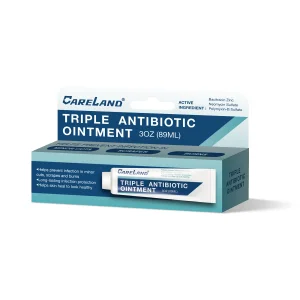
Triple Antibiotic Ointment
Wholesale OTC Medicine Skin-Friendly 118ml Triple Antibiotic Ointment
View Details
Digital Feed Granule Moisture Tester
Digital Animal Feed Fish Drying Unit for Granule Moisture Tester Meter
View Details
2005
Established Year
30M RMB
Registered Capital
$20M+
Annual Sales Volume
5 Labs
Specialized R&D Facilities

Executive Summary & Industry Landscape

Navigating modern calf, piglet, and small ruminant early-life nutrition dynamics.

The global animal agriculture and livestock production sectors are experiencing a fundamental shift toward precision nutrition, early-stage gut health optimization, and mortality reduction strategies. At the core of this transformation is the strategic deployment of advanced milk replacers (also known as calf milk replacers or milk replacer formulations for multi-species neonates). Modern milk replacers are no longer treated as mere mechanical substitutes for whole cow milk; instead, they represent highly engineered bio-functional matrices designed to maximize early Average Daily Gain (ADG), accelerate rumen development in ruminants, optimize gut mucosal immunity, and lower lifetime veterinary intervention costs.

For global procurement managers, commercial livestock integrators, regional distributors, and feed mill formulators, identifying and partnering with top-tier milk replacer manufacturers and suppliers is a critical determinant of operational profitability. The choice of manufacturing partner directly impacts key parameters such as protein bioavailability, fat globule homogenization efficiency, osmolality control, reconstitution stability, and compliance with stringent international veterinary and feed safety directives.

Bio-Nutritional Architecture of Next-Generation Milk Replacers

Neonatal mammals—specifically dairy calves, piglets, lambs, kids, and foals—possess an immature digestive anatomy during the first four to eight weeks of life. The abomasum and small intestine rely heavily on specific enzyme cascades (primarily lactase and rennin) to hydrolyze dietary proteins and fats. Premier milk replacer manufacturers formulate formulas based on sophisticated biochemical parameters:

  • Protein Matrix Quality & Fractioning: Transitioning from simple crude protein metrics to true digestible amino acid profiles. Leading suppliers prioritize Low-Heat Spray-Dried Whey Protein Concentrates (WPC-80), Delactosed Whey Powder, and Soluble Hydrolyzed Wheat Glutens or Purified Soy Protein Isolates that maintain zero anti-nutritional factors (such as glycinin and beta-conglycinin).
  • Encapsulated Fat Emulsification: Precision fat blending utilizes customized ratios of refined palm oil, coconut oil (rich in medium-chain triglycerides, or MCTs), lard, and tallow. Micro-encapsulated spray-drying ensures fat particle sizes under 2 microns, mimicking natural milk fat globules to facilitate rapid lipolysis and prevent nutritional scours.
  • Bio-Active Component Integration: Modern formulations feature exogenous Bovine Immunoglobulins (IgG), prebiotic galacto-oligosaccharides (GOS), mannan-oligosaccharides (MOS), organic acidifiers (citric, fumaric, and lactic acid blends), and targeted direct-fed microbials (DFMs) such as Bacillus subtilis and Lactobacillus acidophilus.

Enterprise Profile: Zhengzhou Vetsys Pharmaceutical Co., Ltd.

Industrial capacity, compliance, and research-driven veterinary production leadership.

Established in 2005, Zhengzhou Vetsys Pharmaceutical Co., Ltd. (Vetsys) stands as an authoritative force in the animal pharmaceutical and nutritional formulation sectors. Built upon a registered capital of 30 million RMB, Vetsys operates specialized, state-of-the-art production workshops designed to exceed modern regulatory standards across powders, premixes, sterile injections, powder injections, oral solutions, tablets, granules, herbal drug extracts, and broad-spectrum disinfectants.

Rigorously Verified Compliance (GMP)
Vetsys operates in full compliance with strict Good Manufacturing Practices (GMP). Our quality management system oversees raw material sourcing, automated processing, batch-level micro-biological testing, and post-production stability analysis to ensure uncompromised purity and safety.
Proven Commercial Scale & Growth
Over nearly two decades of operational refining, Vetsys has established itself among the elite animal health producers in China, reaching domestic market annual sales exceeding USD 20 million as early as 2015 and continuously expanding international distribution networks.

Technological Innovation and Research Architecture

Vetsys distinguishes itself from traditional competitors by placing research and development at the strategic center of its business model. The company operates an independent research institute housing five specialized research laboratories staff-driven by world-class veterinary scientists, biochemists, and formulation experts. This advanced infrastructure empowers Vetsys to rapidly adapt to dynamic market demands, custom-design species-specific feed additions, and engineer cutting-edge animal health remedies.

Our ongoing commitment to scientific rigor ensures Vetsys remains at the technological forefront of the animal healthcare sector, continuously elevating our milk replacer carrier technologies, soluble nutritional powders, and therapeutic veterinary products.

Comprehensive Quality Management & Sustainability Mission

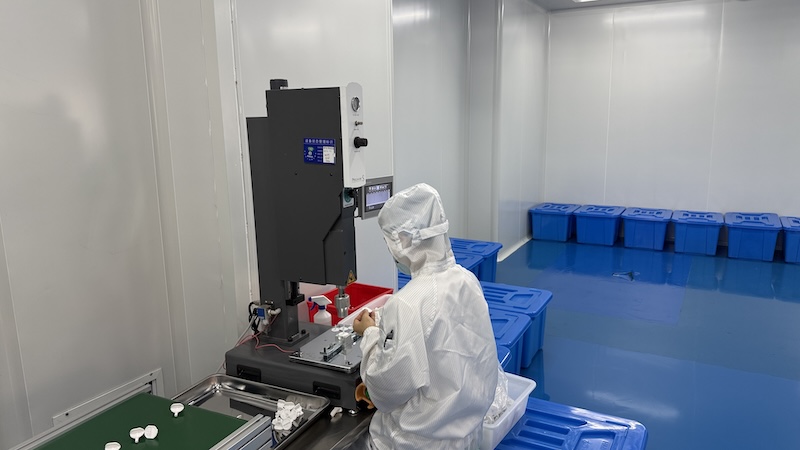
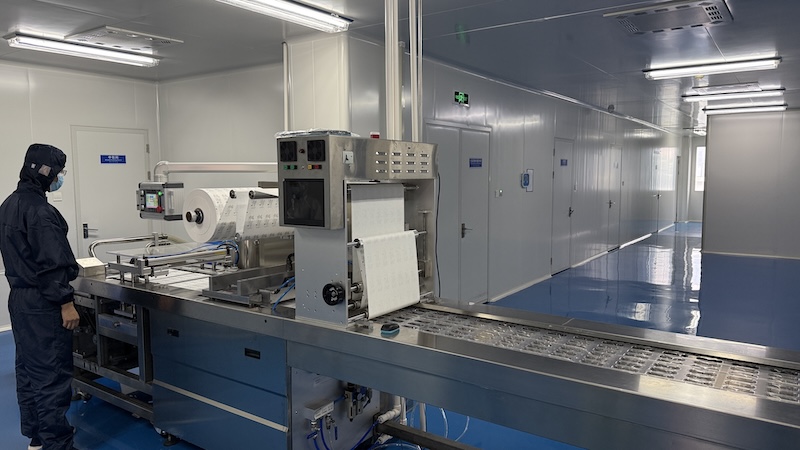
Quality remains the non-negotiable cornerstone of Vetsys operations. Our comprehensive quality assurance protocols supervise raw material quarantine, clean-room environmental parameters, precision blending homogeneities, and shelf-life degradation profiles. Beyond product performance, Vetsys actively implements sustainable manufacturing practices, investing in low-emission processing technologies and green energy solutions to protect environmental ecosystems for generations to come.

Multi-Species Nutritional Formulation Benchmark

Standard biochemical parameters for commercial milk replacer manufacturing.
Target Species Crude Protein (%) Crude Fat (%) Primary Protein Source Key Bio-Additive Integrations Target Osmolality
Pre-Ruminant Calf (Accelerated Growth) 24.0% - 28.0% 18.0% - 22.0% Low-Heat Whey Protein Isolate / Skimmed Milk Powder Bovine IgG, MOS, Organic Acids, Encapsulated MCTs 350 - 400 mOsm/kg
Pre-Ruminant Calf (Standard Maintenance) 20.0% - 22.0% 15.0% - 20.0% Whey Powder / Soluble Wheat Protein Concentrate Probiotics, Vitamin Complex, Essential Minerals 300 - 350 mOsm/kg
Early Weaned Piglet (Rescue / Supplement) 22.0% - 24.0% 10.0% - 14.0% Hydrolyzed Milk Proteins, Spray-Dried Plasma L-Lysine, DL-Methionine, Zinc Oxide Alternative, Prebiotics 280 - 330 mOsm/kg
Lamb & Goat Kid (Intensive Farm) 22.0% - 24.0% 24.0% - 26.0% Refined Dairy Whey Powder, Acidified Milk Solids Acidifiers (Scour Prevention), Vitamin E, Selenium 320 - 370 mOsm/kg
Foal (Equine Rescue & Growth) 20.0% - 22.0% 12.0% - 15.0% All-Milk Protein, Whey Powder Isolate L-Threonine, Chelated Trace Minerals, Digestive Enzymes 290 - 340 mOsm/kg

China Supply Chain Integration & Sourcing Ecosystem

Leveraging industrial scale, advanced spray-drying capabilities, and ingredient access.

1. Raw Material Aggregation & Cost Efficiency

China's position as a primary global hub for amino acid synthesis (such as L-Lysine, DL-Methionine, and L-Threonine), synthetic vitamin production, and precision oil refining gives Chinese milk replacer manufacturers an unmatched structural cost advantage. Direct upstream integration with world-scale ingredient producers enables companies like Vetsys to source high-purity components with zero intermediary markups, translating into highly competitive B2B wholesale pricing for global buyers.

2. High-Tech Spray-Drying & Agglomeration Technology

Modern milk replacer production requires advanced multi-stage spray drying towers equipped with fluid-bed agglomeration units. This technology ensures that dry powder formulations exhibit superior instantization properties—allowing end users to achieve instant solubility without clumping, sedimentation, or fat separation, even when reconstituted in cold or warm farm water systems.

3. Tailored OEM/ODM Customization Capabilities

Global procurement teams rarely benefit from a "one-size-fits-all" product. Soil chemistries, local grain feed ingredients, weather patterns, and specific livestock genetics vary significantly by market. Chinese manufacturers excel at rapid custom formulation prototyping. Whether client specifications require high-fat calf replacers for sub-zero North American winters, or acidified, anti-caking formulations engineered for high-humidity tropical climates in Southeast Asia and South America, China’s industrial infrastructure offers rapid turnarounds on batch production.

4. Packaging Integrity & Export Logistics

To preserve lipid stability and prevent vitamin oxidation over ocean transit, leading suppliers utilize multi-wall kraft paper bags with heat-sealed inner polyethylene liners, nitrogen-flushed packaging options, and heavy-duty 1000kg FIBC jumbo bags. Coupled with proximity to major international deep-water seaports, Chinese suppliers ensure reliable ocean freight dispatch to any continent.

Localization Support & Regulatory Compliance

Adhering to international safety frameworks, veterinary regulations, and local farm conditions.

Navigating cross-border animal feed regulations demands absolute analytical transparency and regulatory alignment. Top trusted milk replacer suppliers provide end-to-end documentation packages required by national agricultural departments, including Dossier Compilation, Health Certificates, Certificates of Analysis (COA), Free Sale Certificates, and dioxin/heavy-metal screening reports.

European & North American Standards
Formulations comply strictly with EU Directive 2019/4 on medicated feed boundaries and US FDA Veterinary Feed Directive (VFD) parameters, guaranteeing total freedom from prohibited antibiotics, illegal growth promoters, and unauthorized protein sources.
Climatic Adaptation Formulations
Milk replacers destined for tropical regions feature optimized anti-caking agents (silicon dioxide), elevated antioxidant packages (natural Vitamin E and ethoxyquin-free preservers), and osmolyte additions (betaine) to combat heat-stress enteritis.
Veterinary Drug Integration Compliance
Where legally permitted, suppliers integrate targeted therapeutic agents—such as soluble anti-infectives (e.g., Cefquinome, Oxytetracycline, Enrofloxacin) or parasite preventatives—under precise GMP batch controls.

Field Application Scenarios & Feeding Protocols

Practical implementation guide for maximized neonate survival and growth.
1. High-Density Dairy Calf Operations

Challenge: Variable whole milk quality, risk of Johne’s disease transmission through raw farm milk, high calf mortality rates post-colostrum phase.

Solution Strategy: Implementing an accelerated milk replacer program (26% Protein / 20% Fat) reconstituted at 140g to 150g per liter of water. Administered twice daily via automated computer-controlled calf feeders. Results yield consistent pre-weaning weight gains exceeding 800g/day and rapid rumen papillae growth.

2. Hyper-Prolific Swine Herd Supplementation

Challenge: Modern hyper-prolific sows often farrow more piglets than functional teats available, leading to underweight rescue piglets and uneven litter weights.

Solution Strategy: Installing automated milk cup systems inside farrowing crates delivering warm milk replacer (24% Protein / 12% Fat) continuously from Day 2 to Day 14 post-farrowing. Significantly increases piglet weaning weights by 0.8kg to 1.2kg per head while preventing sow shoulder sores.
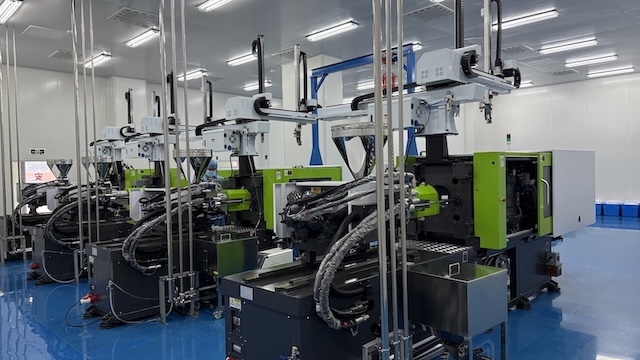
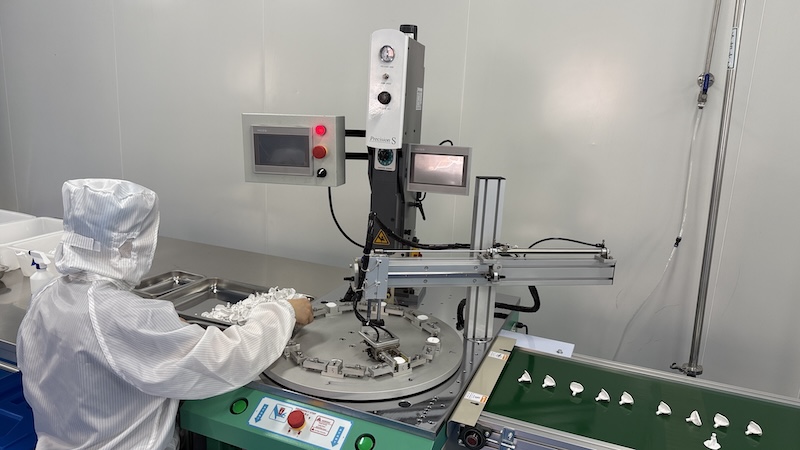
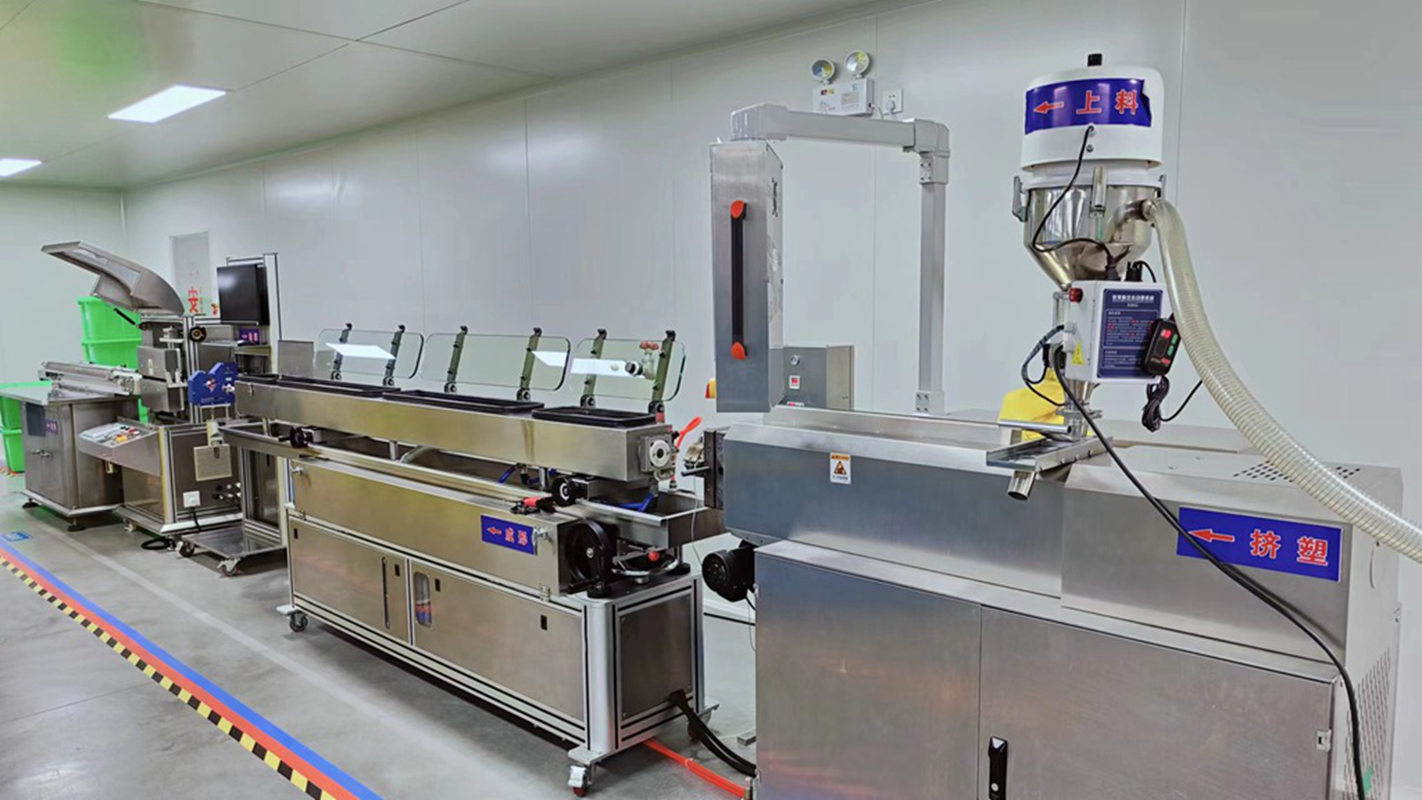
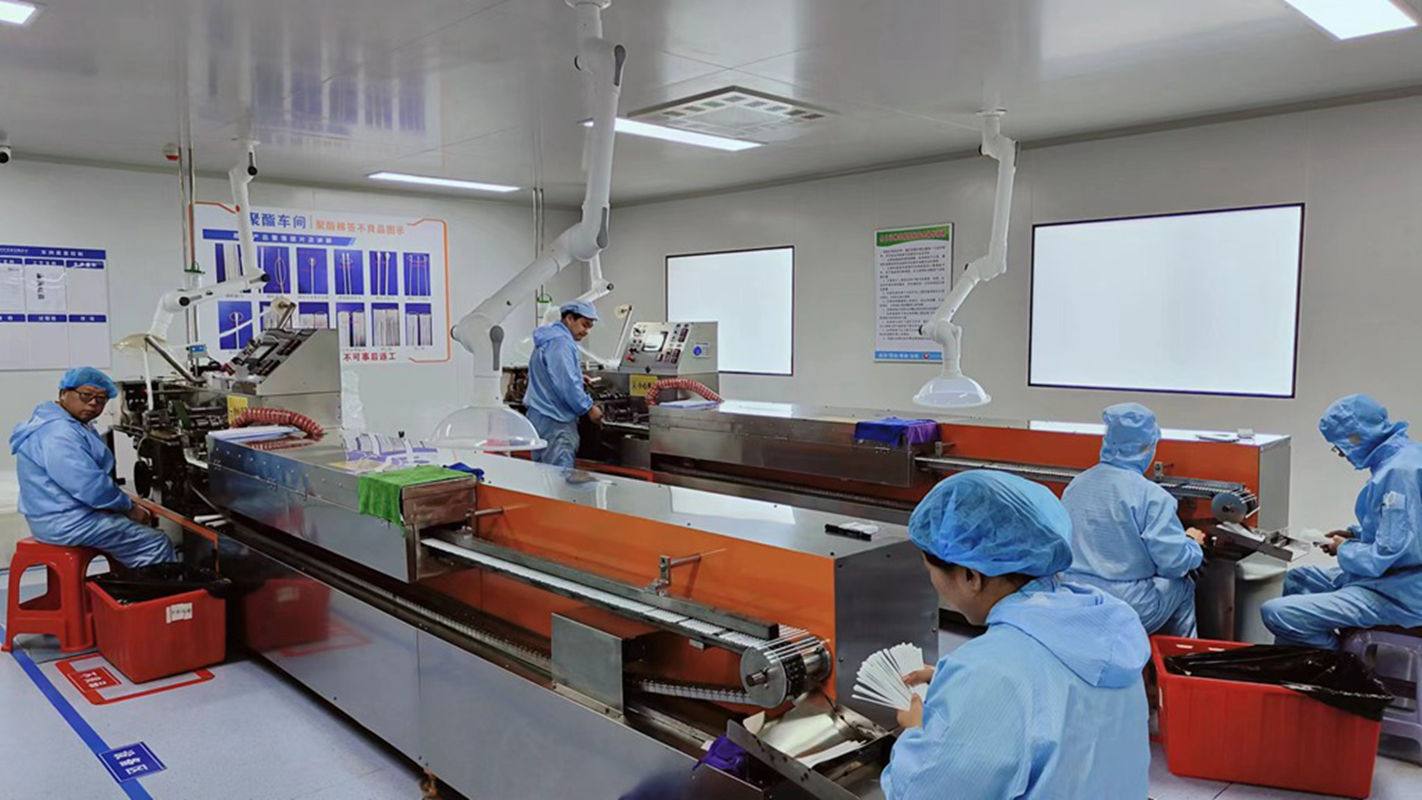
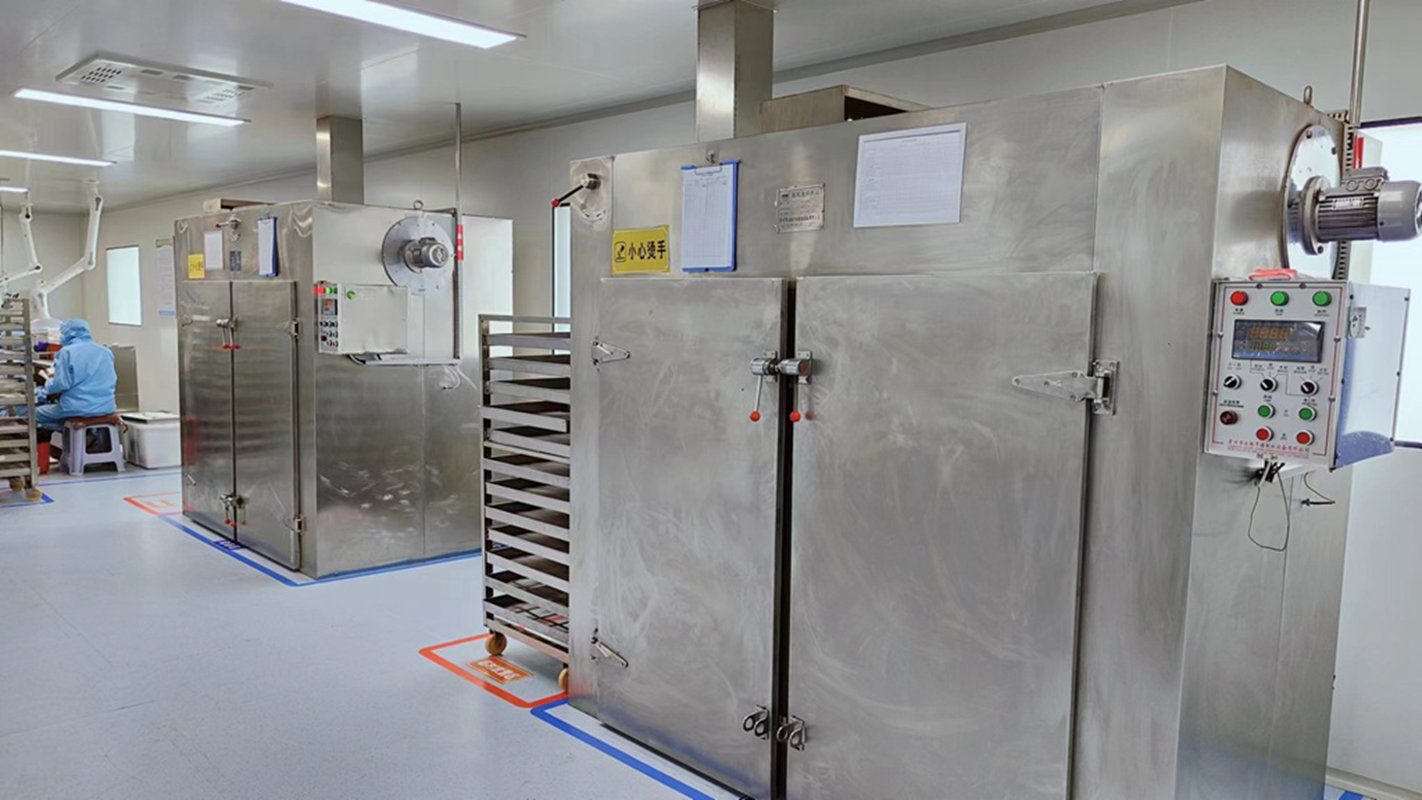
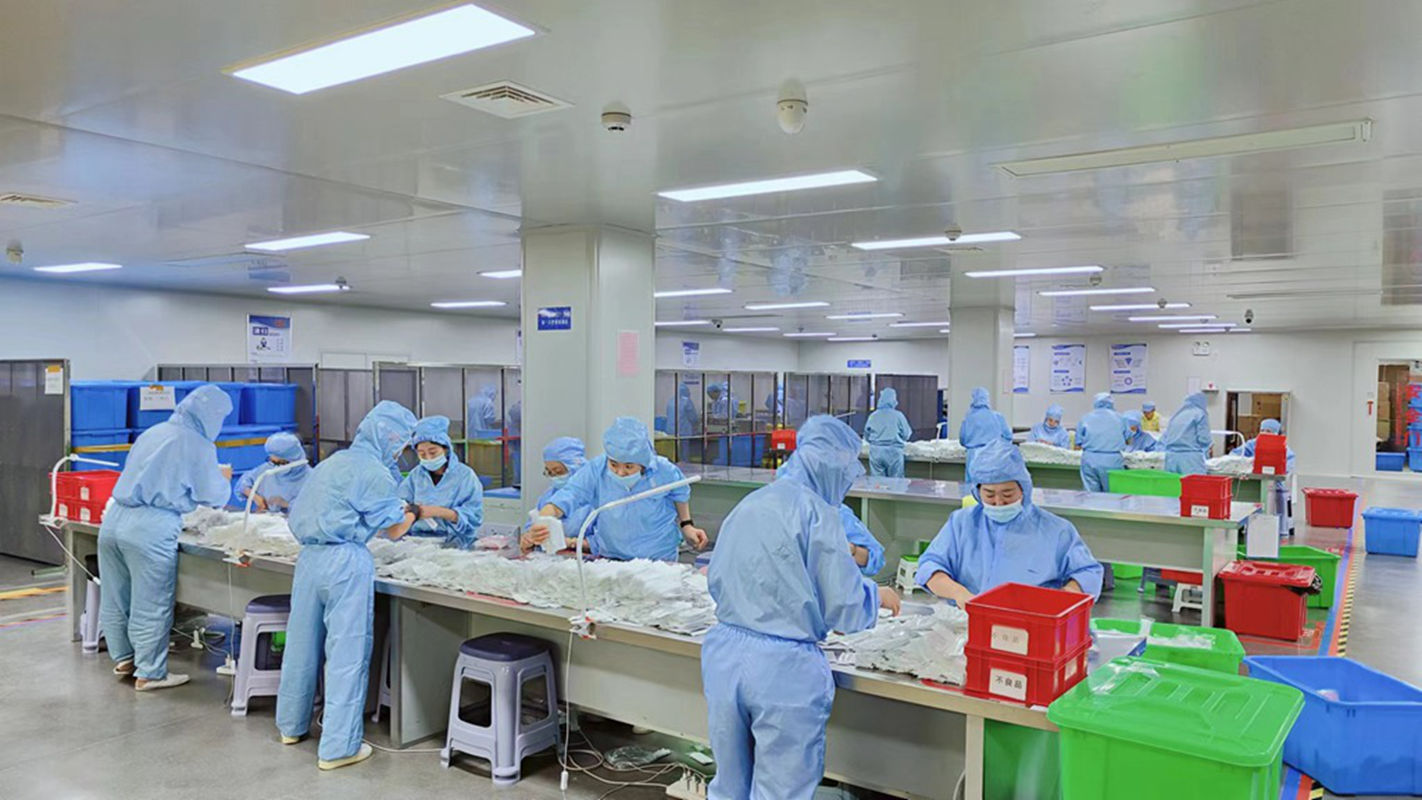
Manufacturing Infrastructure & Processing Excellence

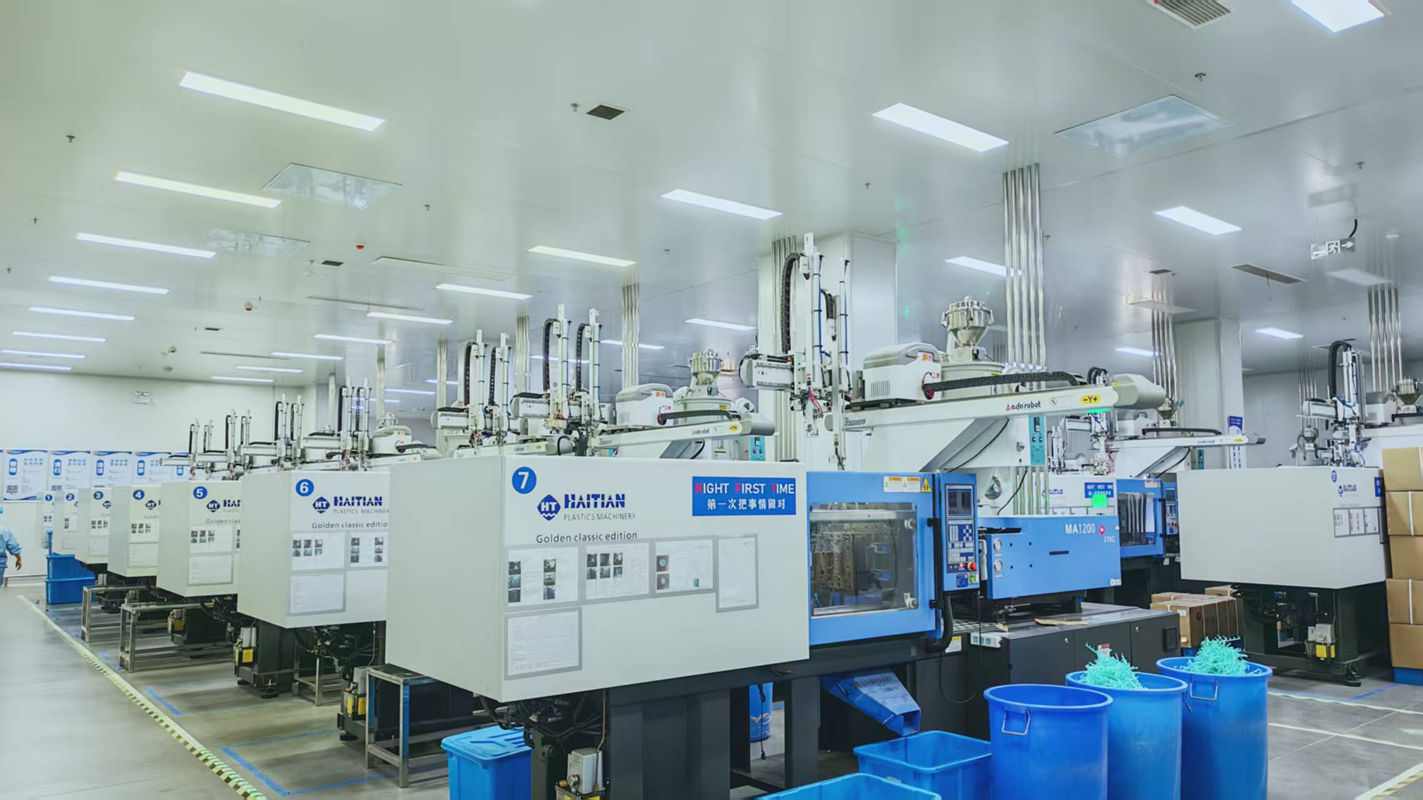
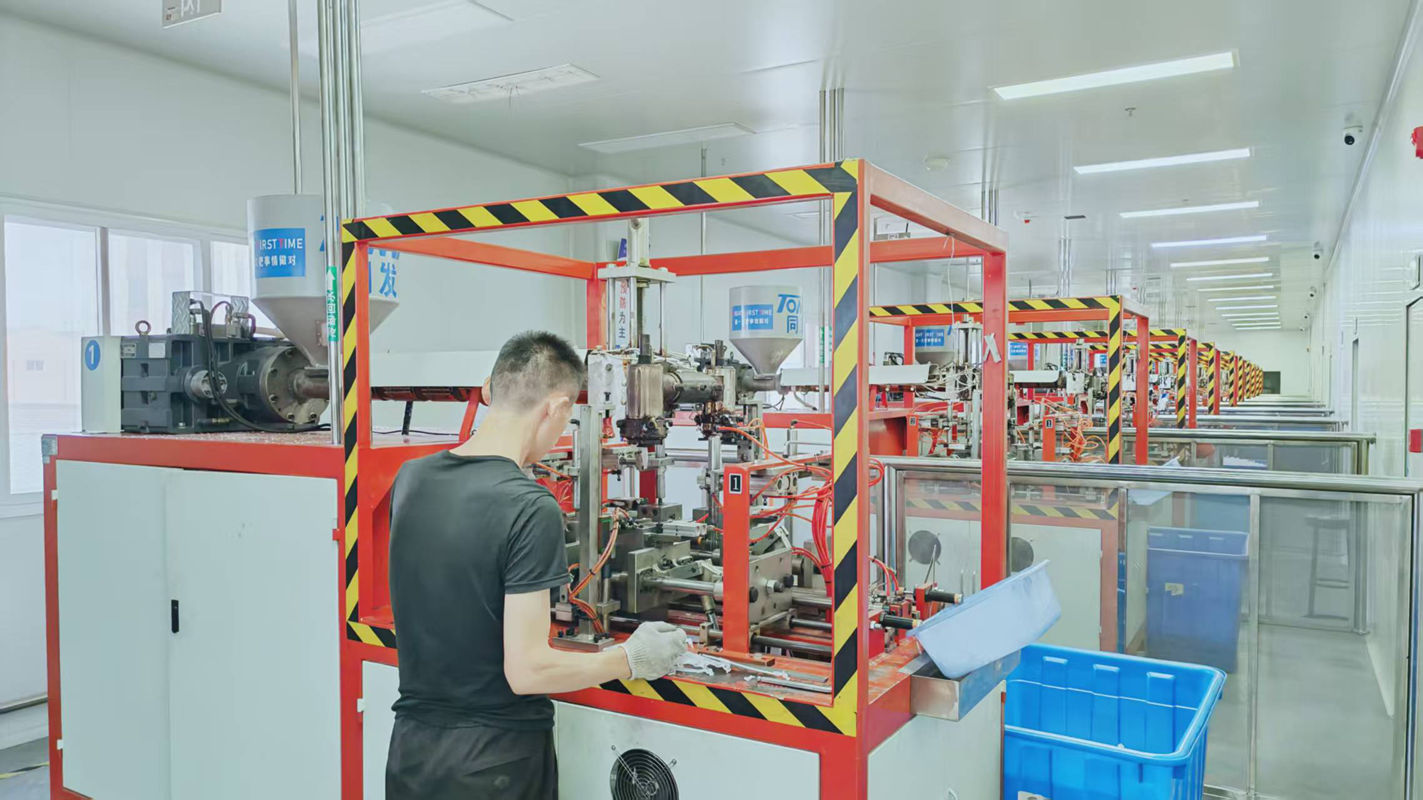
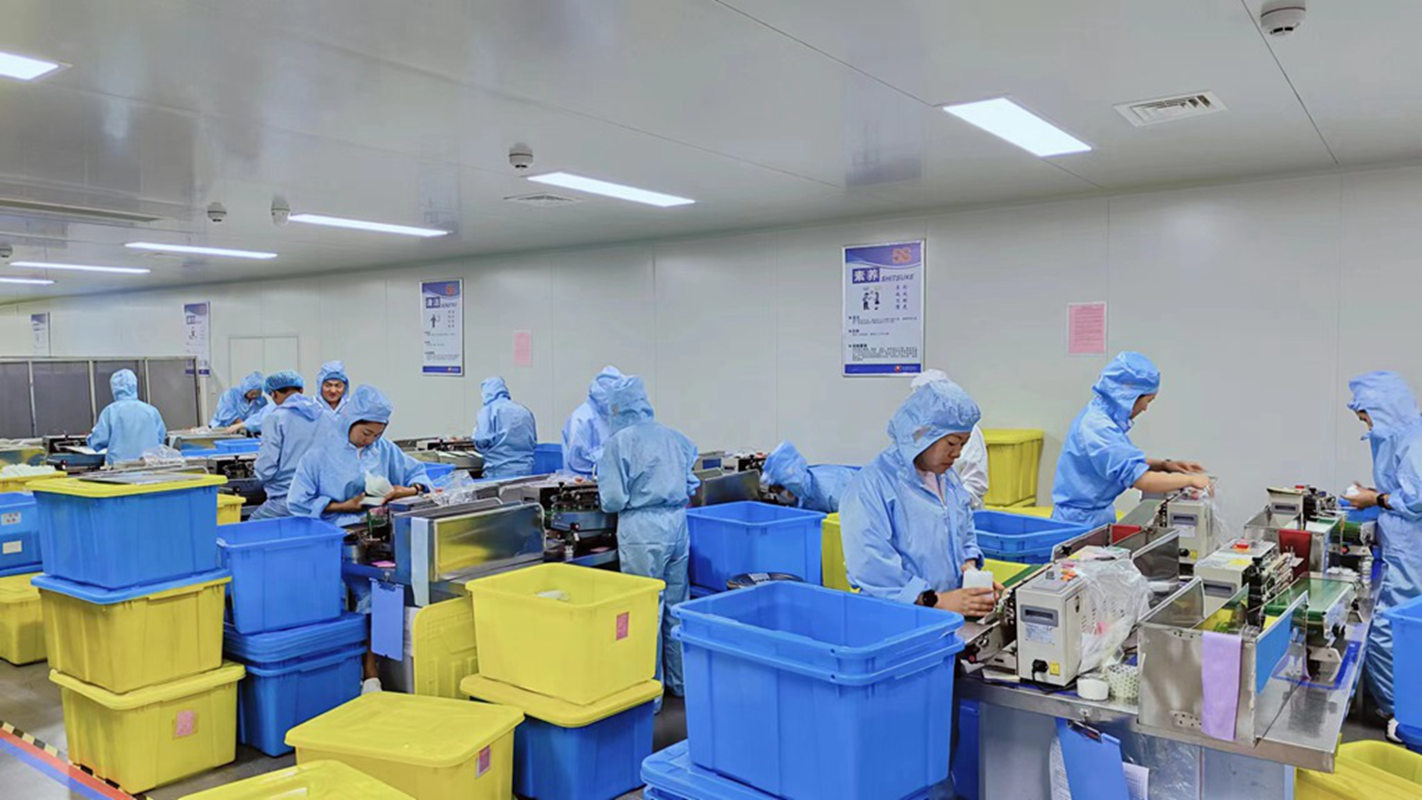
Inside our cleanroom environments, injection molding facilities, and automated processing lines.

Industry Trends & Next-Gen Animal Nutrition Outlook

Emerging innovation vectors shaping the global milk replacer landscape over the next decade.

Driven by tighter environmental regulations, fluctuating global dairy commodity prices, and heightened consumer focus on sustainable livestock farming, milk replacer formulation science is advancing rapidly. Buyers looking ahead must monitor three critical innovation pillars:
Precision Fermentation Proteins
Recombinant yeast and fungal fermentation are enabling the synthesis of species-identical milk proteins (such as alpha-lactalbumin and lactoferrin) without relying on bovine whey raw materials, buffering supply chains against dairy commodity price shocks.
Microbiome Targeting & AGP Elimination
Global bans on Antibiotic Growth Promoters (AGPs) have forced milk replacer scientists to engineer bio-security into the powder itself. Blends combining tributyrin (encapsulated butyric acid), phytogenic essential oils, and targeted bacteriophages actively exclude pathogens like E. coli and Salmonella.
Digital Mixing & IoT Smart Feeding
Next-generation milk replacers are formulated to offer specific physical bulk densities and non-hygroscopic powder flowability, ensuring seamless integration with IoT automated calf feeders that record real-time intake analytics.

Frequently Asked Questions (FAQ) & Technical Procurement Guide

Clear answers to crucial procurement, formulation, and application questions.
What is the optimal mixing temperature for reconstituted milk replacer powders?
Milk replacers should ideally be reconstituted in clean water heated to between 45°C and 50°C (113°F to 122°F). This temperature range ensures rapid dissolution of micro-encapsulated fat beadlets without denaturing temperature-sensitive immunoglobulins (IgG) or synthetic bioactive proteins. The reconstituted liquid should then be cooled to body temperature (38°C to 40°C / 100°F to 104°F) prior to calf feeding.
How does All-Milk protein differ from Plant-Protein enriched milk replacers?
All-milk protein formulations derive 100% of their protein content from dairy sources (whey protein concentrate, delactosed whey, skimmed milk powder). They offer optimal digestibility (near 98%) for calves during the first 14 days of life. Plant-protein enriched replacers utilize highly purified, soluble soy isolates or wheat gluten. While cost-effective for calves older than 3 weeks, plant proteins must be processed carefully to eliminate anti-nutritional factors and avoid hypersensitivity enteritis in younger neonates.
What minimum order quantities (MOQ) and lead times apply for OEM milk replacer custom manufacturing?
Standard minimum order quantities for custom OEM formulations typically start at 5 metric tons (5,000 kg) for customized private-label packaging. Standard production lead time post formulation sign-off and packaging design approval is approximately 14 to 21 business days, depending on specific active ingredient sourcing requirement.
How can buyers prevent nutritional scours in neonatal livestock when feeding milk replacers?
Nutritional scours can be mitigated by enforcing strict hygiene of feeding buckets/teats, ensuring consistent solids mixing percentages (avoiding sudden osmolarity spikes above 450 mOsm/kg), introducing organic acidifiers (lowering solution pH to ~5.5 to inhibit pathogen growth), and selecting milk replacers with micro-encapsulated fat particle sizes below 2 microns.
What shelf life and storage conditions are required for multi-wall bagged powders?
When stored in unopened multi-wall kraft bags with sealed poly-liners in a cool, dry warehouse (temperature < 25°C / 77°F, relative humidity < 65%), high-quality milk replacers maintain optimal nutritional stability and flowability for 12 to 18 months from the date of spray drying.

Complete Commercial Portfolio & Supplies

Explore our broader veterinary pharmaceutical and processing machinery inventory.
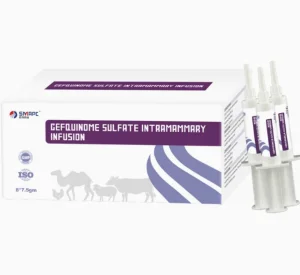
Veterinary Medicine Cefquinome Sulfate Intramammary Infusion
Veterinary Medicine Cefquinome Sulfate Intramammary Infusion for Lactating Cows - Mastitis Treatment
View Details
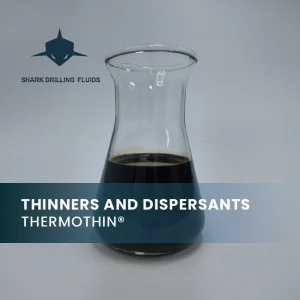
Shark Thinner Drilling Fluid Additive Thermothin
View Details
Medical Grade OEM/ODM Custom Tattoo Anesthetic Ointment
Medical Grade OEM/ODM Custom Tattoo Anesthetic Ointment for Lip Tattoo Shop
View Details
Ivermectin Pour - on for Poultry
Ivermectin Pour - on for Poultry: Keep Birds Parasite - Free
View Details
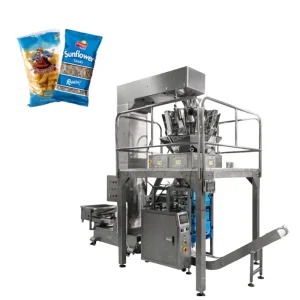
Vertical Packaging Machine for Snacks
Nuts Sugar Rice Salt Grain Pet Food Granule Feed Beans Seed Potato Chips Popcorn Snacks Dried Fruit Vertical Packaging Machine
View Details
99.5% Veterinary Use Ivermectin Soluble Powder
View Details
OEM/ODM L-Carnitine - CLA Oral Liquid
OEM/ODM L-Carnitine - Conjugated Linoleic Acid (CLA) Oral Liquid for Weight Management
View Details
Herbal Medicine Osthole Cnidium Monnieri Extract
Herbal Medicine 10% Osthole Cnidium Monnieri Extract
View Details